Category: Volleyball

Dive into our comprehensive volleyball category, where a trove of articles awaits enthusiasts, players, and coaches alike.

  • What is a SMART Goal? How to Set Goals You Can Achieve

    Asking, “What is a SMART Goal?

    Do you have a goal in mind but feel unsure how to achieve it? Setting goals is an essential part of personal and professional growth, but not all goals are created equal. That’s where S.M.A.R.T. goals come in. In this article, we’ll discuss what S.M.A.R.T. goals are, why they’re effective, and how you can start setting them today.

    What is a SMART goal?

    SMART is an acronym that stands for Specific, Measurable, Achievable, Relevant, and Time-bound. These five elements are crucial to consider when setting a goal.

    Specific: A specific goal is clear and concise. It outlines precisely what you want to accomplish, so there’s no confusion or room for interpretation.

    Measurable: A measurable goal has tangible criteria for success. You can track your progress and know when you’ve achieved your goal.

    Achievable: An achievable goal is realistic and within your capabilities. It’s challenging but not impossible, so you feel motivated to work towards it.

    Relevant: A relevant goal is meaningful to you and aligns with your overall objectives. It’s something you genuinely care about and want to achieve.

    Time-bound: A time-bound goal has a specific deadline for completion. Overall, this sense of urgency helps you stay on track and focused on achieving your goal.

    Why are SMART goals effective?

    SMART goals are effective because they provide a clear framework for success. By setting specific, measurable, achievable, relevant, and time-bound goals, you can break down your larger aspirations into smaller, more manageable tasks. All in all, this approach helps you stay motivated and focused, as you can see your progress along the way.

    How can you start setting SMART goals?

    To start setting SMART goals, follow these steps:

    1. Identify your overarching goal.
    2. Break it down into smaller, specific tasks.
    3. Make sure each task is measurable and achievable.
    4. Ensure that each task is relevant to your larger objective.
    5. Assign a specific deadline for each task.

    By following these steps, you can turn your aspirations into actionable goals that you can achieve. Remember, setting S.M.A.R.T. goals isn’t a one-time process. It’s an ongoing practice that requires regular evaluation and adjustment.

    smart goal

    SMART Goal Conclusion

    Setting goals is an essential part of personal and professional growth, but not all goals are created equal. S.M.A.R.T. goals are specific, measurable, achievable, relevant, and time-bound. By following this framework, you can break down your larger aspirations into smaller, more manageable tasks. In general, this approach helps you stay motivated and focused on achieving your goals. All in all, take some time to identify your goals and start setting S.M.A.R.T. goals today.

    Next, for more volleyball equipment for starting volleyball, please check out: dennyfalls.com
    Home » Volleyball » Page 15
  • What is HRV and Why is it Important to Athletes?

    What is HRV?

    HRV stands for Heart Rate Variability and is a measure of the time intervals between successive heartbeats. It is a valuable tool for athletes and coaches as it provides insight into an athlete’s stress levels, recovery, and readiness for training.

    In this blog, we’ll explore what HRV is and why it’s important for athletes. For many, even the most important!

    What is HRV?

    HRV refers to the changes in time intervals between successive heartbeats. It is not the same as heart rate, which is simply the number of beats per minute. Instead, HRV measures the variation in the time between heartbeats. HRV is affected by the sympathetic and parasympathetic nervous systems.

    HRV is an important tool for athletes and coaches as it can provide insight into an athlete’s stress levels, recovery, and readiness for training. When you ask, “what is HRV?”, here are a few ways that HRV can benefit athletes:

    1. Monitor stress levels: HRV monitors an athlete’s stress levels, both physical and mental. When an athlete is under stress, their sympathetic nervous system becomes dominant, which can lead to a decrease in HRV. By monitoring HRV, athletes and coaches can identify when an athlete is experiencing high levels of stress and adjust their training or recovery accordingly.
    2. Monitor recovery: HRV can monitor an athlete’s recovery. When an athlete is well-rested and recovered, their parasympathetic nervous system is dominant, which leads to an increase in HRV. By monitoring HRV, athletes and coaches are able to determine if an athlete is fully recovered. This helps to know if they are ready for training or if they need more rest and recovery time.
    3. Optimize training: Use HRV to optimize training. By monitoring HRV, athletes and coaches can determine if an athlete is ready for a high-intensity workout or if they need to adjust their training to avoid overtraining.
    4. Prevent injury: Use HRV to prevent injury. When an athlete is under stress or not fully recovered, their risk of injury increases. By monitoring HRV, athletes and coaches can identify when an athlete is at a higher risk of injury and adjust their training or recovery accordingly.

    HRV Conclusion

    HRV is a valuable tool for athletes and coaches as it provides insight into an athlete’s stress levels, recovery, and readiness for training. By monitoring HRV, athletes and coaches can optimize training, prevent injury, and improve overall performance. As an athlete, it’s important to work with a coach or sports science professional to determine how to use HRV to achieve your performance goals. Using a new metric like HRV, could help you reach your peak!

    what is HRV

    Check out more articles found on: https://dennyfalls.com

    Get a free WHOOP 4.0 and one month free when you join with my link: https://join.whoop.com/EA3F8B76

    Home » Volleyball » Page 15
  • How to Prevent Volleyball Shoulder Pain

    Volleyball is a high-intensity sport that involves a lot of overhead movements, which can lead to volleyball shoulder pain and injuries. Preventing shoulder pain is essential for any volleyball player to stay in the game and perform at their best. In this post, we’ll take a closer look at how to prevent volleyball shoulder pain.

    How to Prevent Volleyball Shoulder Pain

    1. Warm-up and Stretching Before any physical activity, it’s essential to warm up your body and stretch your muscles. A proper warm-up helps increase blood flow to the muscles, making them more pliable and less prone to injury. Incorporate shoulder stretches into your warm-up routine to improve mobility and flexibility in your shoulder joints.
    2. Strengthening Exercises Incorporating shoulder-strengthening exercises into your training regimen can help prevent shoulder pain and injuries. Exercises such as the shoulder press, lateral raises, and reverse flyes can help improve shoulder strength and stability.
    3. Correct Technique Using proper technique when serving, hitting, and passing can help prevent shoulder pain and injuries. Avoid excessive overhead movements and make sure to use proper form and technique when executing these movements.
    4. Rest and Recovery Rest and recovery are essential for preventing shoulder pain and injuries. Make sure to take adequate rest days to allow your body to recover from intense training sessions. Applying ice to your shoulders after practice or games can help reduce inflammation and prevent pain.
    5. Proper Shoes Using proper shoes, such as a supportive volleyball shoe, can help prevent shoulder pain and injuries. A good quality shoe can provide the support and cushioning your feet need during play, reducing the stress on your shoulders.
    volleyball shoulder pain

    How to Prevent Shoulder Pain in Volleyball Conclusion

    In conclusion, preventing shoulder pain and injuries is essential for any volleyball player. Incorporating warm-up and stretching routines, strengthening exercises, correct technique, rest and recovery, and proper equipment can help prevent shoulder pain and keep you in the game. Take the time to be sure your shoulder is ready. Before a game or a practice, take the time for proper warm up routines. Be proactive about your shoulder health, and take the necessary steps to prevent pain and injuries on the court!

    Check out more articles found on: https://dennyfalls.com

    Get a free WHOOP 4.0 and one month free when you join with my link: 
    https://join.whoop.com/EA3F8B76

    Home » Volleyball » Page 15
  • Sleep Trouble? What to do for Better Sleep

    Getting a night of better sleep is crucial for maintaining physical and mental health. Unfortunately, many people struggle to fall asleep or stay asleep throughout the night. If you are one of them, don’t worry. There are plenty of things you can do to improve your sleep quality. Here are some of the best products to help you sleep better.

    Best Items for Better Sleep

    1. Sleep mask – A comfortable sleep mask can help block out any light that may be interfering with your sleep. Look for a mask that is made of breathable material and has an adjustable strap for a comfortable fit.
    2. White noise machine – A white noise machine can help drown out any distracting sounds that may be keeping you awake. Look for a machine that has a variety of sound options and volume controls.
    3. Weighted blanket – A weighted blanket can provide a comforting and calming sensation that can help you fall asleep faster and stay asleep longer. Look for a blanket that is made of soft and breathable material and is the right weight for your body.
    4. Essential oil diffuser – A diffuser can help create a relaxing and soothing environment in your bedroom. Look for essential oils such as lavender, chamomile, and bergamot, which are known for their calming properties.
    5. Melatonin supplements – Melatonin is a hormone that regulates sleep, and taking a supplement can help promote better sleep. Look for a melatonin supplement that is made with high-quality ingredients and is the right dosage for your needs.
    6. Blue light blocking glasses – Blue light from electronic devices can interfere with your sleep by suppressing melatonin production. Blue light blocking glasses can help reduce the amount of blue light that reaches your eyes, making it easier to fall asleep.
    7. Mattress topper – A comfortable and supportive mattress is essential for getting a good night’s sleep. If you can’t afford a new mattress, consider investing in a mattress topper to add extra comfort and support.
    8. Chamomile tea – Chamomile tea is known for its calming and relaxing properties, making it the perfect bedtime beverage. Look for a high-quality tea that is organic and caffeine-free.

    Conclusion

    In conclusion, by incorporating these products into your bedtime routine, you can help promote better sleep and wake up feeling refreshed and rejuvenated. You can find all of these products and more on Amazon, where you can read reviews and compare prices to make the best purchase for you.

    Check out more articles found on: dennyfalls.com

    Home » Volleyball » Page 15
  • Volleyball Terms to Know

    Volleyball terms to know! In general, here are the top volleyball terms to know.

    Most Common Volleyball Terms

    1. Ace – A serve that lands in the opponent’s court and not touched by the receiving team.
    2. Antenna – Two flexible rods attached to the net, which mark the boundaries of the court.
    3. Approach – The movement a player makes towards the net to hit the ball.
    4. Assist – A pass or set that leads to a successful attack.
    5. Attack – An offensive hit, usually directed towards the opponent’s court.
    6. Back-row attack – An attack made by a player from behind the attack line.
    7. Back-row player – A player who rotates into the back row to play defense and serve receive.
    8. Block – A defensive move used to stop the ball at the net.
    9. Blocker – A player who attempts to block the opponent’s attack.
    10. Bump – A type of pass made with the forearms.
    11. Centerline – A boundary line that runs under the net and divides the court into two halves.
    12. Court – The playing area for volleyball, divided into two sides by the net.
    13. Cross-court – A hit or serve that travels diagonally across the court.
    14. Cut shot – An attack that goes diagonally from one side of the court to the other.
    15. Defense – The team’s effort to keep the ball from landing on their side of the court.
    16. Dink – A soft, lightly hit ball intended to land just over the net.
    17. Float serve – A serve without spin that moves unpredictably in the air.
    18. Foot fault – When a player steps on or over the end line while serving.
    19. Front-row player – A player who rotates into the front row to block and attack.
    20. Hit – A general term for an offensive attack on the ball.
    21. Joust – When two opposing players contact the ball simultaneously above the net.
    22. Jump serve – A serve where the server jumps before hitting the ball.
    23. Jump float serve – A serve where the server jumps and hits the ball without spin.
    volleyball terms

    More of the Most Common Terms in Volleyball

    1. Libero – A specialized defensive player who wears a different color jersey and has specific rotation rules.
    2. Line shot – An attack that travels parallel to the sidelines.
    3. Net – The barrier that separates the two sides of the court.
    4. Overhand serve – A serve where to hit ball with an overhand motion.
    5. Pass – A type of hit used to move the ball from one player to another.
    6. Player rotation – The clockwise movement of players around the court during a game.
    7. Rally – A continuous sequence of plays that start with a serve and end when the ball hits the ground.
    8. Receiving team – The team that is receiving the serve.
    9. Red card – A penalty card issued by the referee for serious rule violations.
    10. Rotation – The movement of players around the court in a clockwise direction.
    11. Serve – The first hit of each rally, used to put the ball into play.
    12. Serve receive – The team’s effort to successfully pass the opponent’s serve.
    13. Setter – The player who sets the ball for the attacker.
    14. Sideout – When the serving team loses the rally, resulting in a change of serve.
    15. Spike – A powerful offensive attack hit over the net with a downward motion.
    16. Spin serve – A serve to hit the ball with spin to make it curve in the air
    17. Ace: A serve that lands in the opponent’s court without being touched, earning the server a point.

    Additional Volleyball Terms

    1. Back set: A set delivered from behind the setter to an attacker who is approaching from the backcourt.
    2. Bump pass: A technique for passing the ball using the forearms.
    3. Dig: A defensive play in which a player dives to save a ball from hitting the ground after an opponent’s attack.
    4. Double hit: A violation that occurs when a player contacts the ball twice in succession, either with two hands or with a hand and another part of the body.
    5. Foot fault: A violation that occurs when a player steps on or over the end line or center line while serving.
    6. Free ball: A ball that is sent over the net by a team as a defensive play rather than an attack, usually resulting in an easy point for the opposing team.
    7. Front row: The three players positioned closest to the net on each team.
    8. Game point: The point that ends the game, usually after a team reaches a predetermined score.
    9. Hit: A general term for any type of attack or spike.
    10. Jump serve: A serve in which the server jumps before contacting the ball, often resulting in a more powerful serve.
    11. Kill: An attack that results in an immediate point for the attacking team, usually because the ball hits the ground untouched.
    12. Libero: A defensive specialist who is allowed to replace any back-row player without counting as a substitution.
    13. Line judge: Generally, an official who stands at the sidelines to determine whether a ball is in or out of bounds.
    14. Middle blocker: In general, the player who typically plays in the center of the front row and is responsible for blocking and attacking.

    Bonus Volleyball Terms

    1. Net: The vertical barrier that separates the two halves of the court and extends to a height of 7 feet, 11 5/8 inches for men and 7 feet, 4 1/8 inches for women.
    2. Overhand serve: A serve in which the ball is tossed into the air and hit overhand, usually resulting in a more accurate serve.
    3. Pancake: A defensive play in which a player dives to save a ball from hitting the ground by sliding their hand flat under the ball.
    4. Pass: A technique for getting the ball to a teammate using the hands or forearms.
    5. Rotation: The order in which players move clockwise around the court after each sideout.
    6. Serve: The act of putting the ball into play by hitting it over the net from behind the end line.
    7. Setter: Initially, the player who is responsible for setting up the ball for an attacker to hit.
    8. Sideout: The point earned by the receiving team after winning a rally, resulting in a change of possession.
    9. Spike: An attack in which the ball is hit forcefully over the net and into the opponent’s court.
    10. Tip: Overall, soft attack in which the ball is lightly tapped over the net and into the opponent’s court, usually used as a surprise attack.
    11. Topspin: In general, a technique for generating spin on the ball by hitting it with a downward motion, resulting in a more powerful and accurate hit.
    12. Underhand serve: A serve in which the ball is held in one hand and hit underhand over

    In conclusion, these are the top volleyball terms to know. All in all, this list is only a small amount of the total volleyball terms. In general, players around the world have many different volleyball terms. Overall, the list is always growing!

    Finally, for more volleyball articles, visit: dennyfalls.com

    Home » Volleyball » Page 15
  • The Best Backyard Volleyball Equipment to Buy Right Now

    Looking for the best backyard volleyball equipment to buy?

    Volleyball is a fun and exciting game to play in your backyard with family and friends. To set up proper backyard volleyball equipment, you’ll need some essential equipment. In this post, we’ll take a closer look at the best backyard volleyball equipment to buy.

    Best Backyard Volleyball Equipment

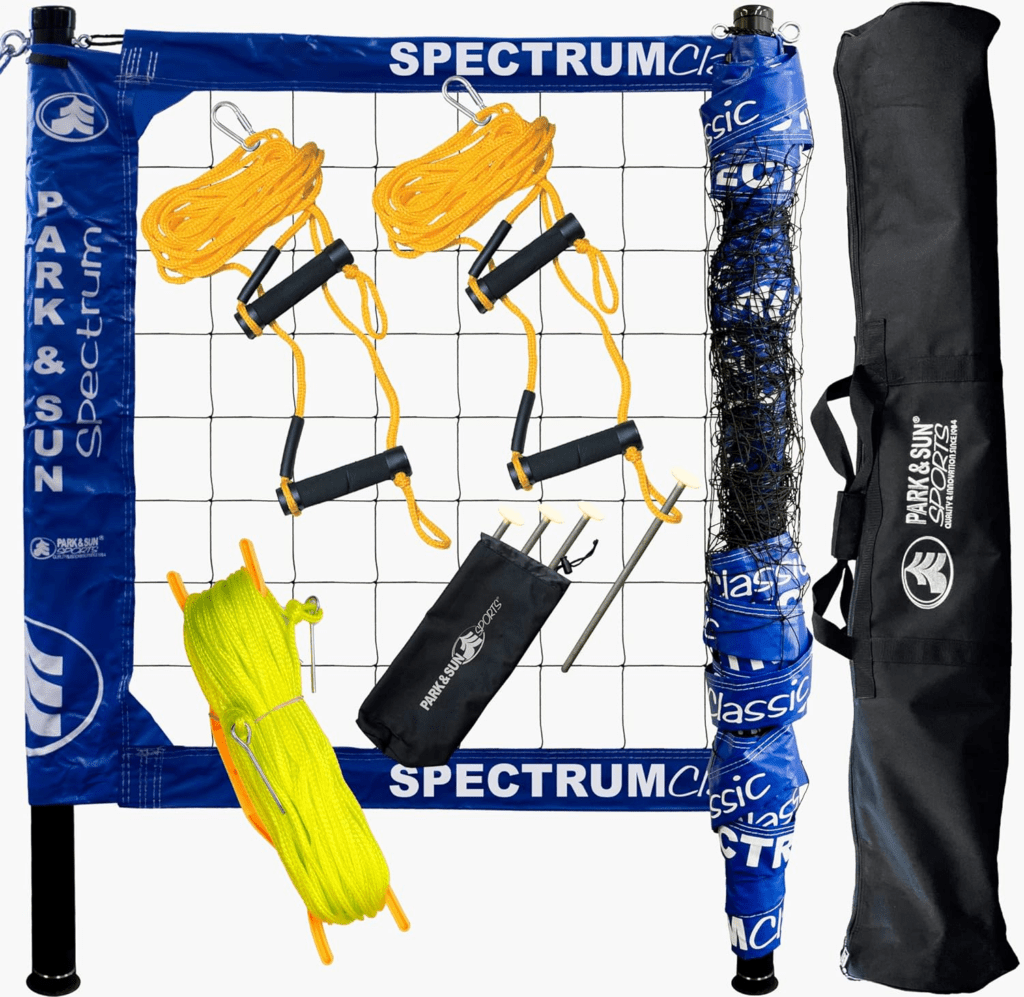
    1. Backyard Volleyball Net

    backyard volleyball equipment

    Initially, the volleyball net is the centerpiece of any backyard volleyball court. You’ll need a sturdy and durable net that can withstand outdoor weather conditions. Look for a net that’s at least 32 feet long and regulation height for official play. The Park & Sun Sports Spectrum Classic Volleyball Net System is a great option for backyard play, featuring a high-quality net and an adjustable steel pole system to make a court.

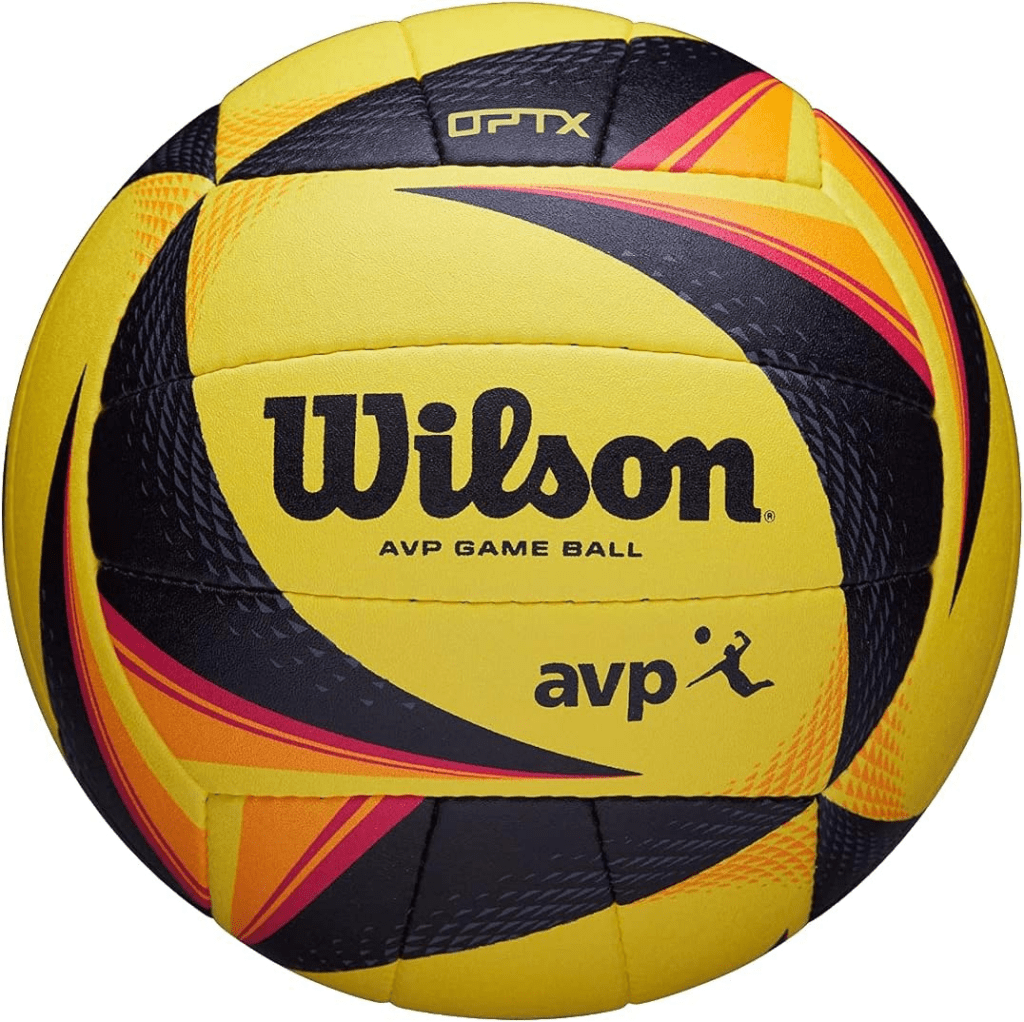
    2. Outdoor Volleyball Ball

    top backyard volleyball equipment

    A good quality volleyball is essential for backyard play. Secondly, look for a ball that’s regulation size and weight, with a soft outer cover for easy handling. All in all, the Mikasa VLS300 is a popular choice among volleyball players, featuring a premium composite leather cover and a patented dimple design for better grip and control on the court.

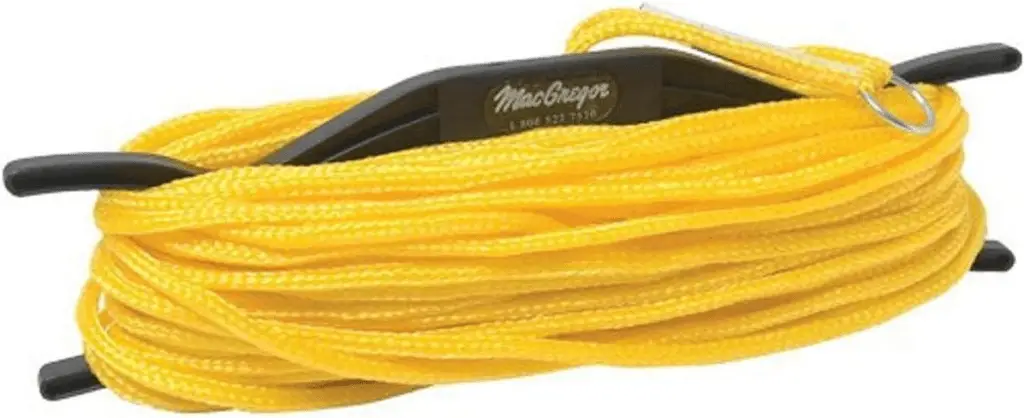
    3. Volleyball Lines and Markers

    best backyard volleyball equipment

    In general, marking your volleyball court with lines and markers is important for proper gameplay. Thirdly, look for boundary lines that are easy to see and durable enough to withstand outdoor conditions, even the sand. All in all, the Tandem Sport Volleyball Boundary Lines Set is a great option, featuring bright yellow lines and corner anchors for easy set up to make a court.

    4. Volleyball Pole Pads

    volleyball equipment for backyards

    Firstly, to ensure the safety of players, it’s important to have pole pads installed on your volleyball net system. Initially, look for pads made of high-density foam and fit snugly around the poles. Lastly, the Park & Sun Sports Volleyball Pole Pads are a great option, featuring a durable nylon cover and easy installation on the court.

    Best Backyard Volleyball Equipment Conclusion

    In conclusion, setting up a proper backyard volleyball court requires essential equipment, including a volleyball net, volleyball, volleyball lines and markers, and volleyball pole pads. Investing in high quality equipment will not only improve your gameplay, but also ensure the safety of all players on the court. All in all, get ready to serve up some fun in your own backyard with these top-rated volleyball equipment options on the court.

    Lastly, check out more articles found on: 
    dennyfalls.com

    Home » Volleyball » Page 15