Category: Volleyball

Dive into our comprehensive volleyball category, where a trove of articles awaits enthusiasts, players, and coaches alike.

  • How to Measure Vertical Jump in Volleyball Right Now

    In the world of volleyball, having an impressive vertical jump in volleyball is a game-changer. A higher jump can lead to more powerful spikes, effective blocks, and improved agility on the court. But how do you measure your vertical jump in volleyball, and why is it essential? In this guide, we’ll explore the importance of measuring your vertical jump and provide you with practical methods to do so.

    Why Measure Your Vertical Jump?

    Measuring your vertical jump in volleyball offers several advantages:

    1. Performance Assessment:
      First, measurement helps you understand your current jumping ability, allowing you to track progress over time. To start, get an initial idea of what your jump touch is.
    2. Goal Setting:
      Knowing your vertical jump can help you set specific goals for improvement, whether you’re aiming to increase your reach at the net or enhance your overall athleticism.
    3. Competitive Edge:
      Importantly, a higher vertical jump can give you a competitive advantage by allowing you to outperform opponents in key situations, such as spiking or blocking.
    4. Injury Prevention:
      Lastly, training to improve your vertical jump often involves strengthening key leg muscles, which can help reduce the risk of injuries. In order to jump high, you must train safely on and off the court.
    vertical jump in volleyball

    Method 1: The Vertical Jump Test

    The Vertical Jump Test is a straightforward way to measure your jump height. To begin, here’s how you can do it:

    1. Equipment:
      You’ll need a wall or a vertical jump measurement device, a piece of chalk or tape, and a tape measure. Make sure there is space along the wall to do a jump, approach, or block move.
    2. Setup:
      To begin, stand next to the wall with your dominant hand raised overhead. Mark the highest point you can reach on the wall with chalk or tape. You can jump a few times to reach as high as you can.
    3. Measurement:
      Next, stand facing the wall and jump as high as you can, reaching up to touch the wall at your highest point. Mark the spot where you touched the wall when you do a jump.
    4. Calculation:
      Measure the distance between the highest point you reached during your jump and your standing reach. All in all, this measurement represents your vertical jump height.

    Method 2: Vertical Jump Apps and Devices

    In the digital age, numerous apps and devices can help you measure your vertical jump accurately. All in all, these tools often use smartphone cameras or specialized sensors to calculate your jump height. First, here’s how to use them:

    1. Choose an App or Device:
      Firstly, research and select a reliable vertical jump measurement app or device. Some popular options include My Jump 2, Just Jump, or the Vertec Vertical Jump Tester. Each are easy to use and help you know quickly how high you can jump.
    2. Follow Instructions:
      Secondly, install the app or set up the device according to the manufacturer’s instructions. Most need a device such as a phone or a tablet to connect to.
    3. Calibration:
      Initially, most apps and devices require a calibration step, where you enter your height or other relevant information. Most devices use tracking your motions to know how high you jump.
    4. Jump:
      Perform a maximal vertical jump while holding the device or positioning your smartphone as directed.
    5. Measurement:
      Finally, the app or device will provide you with your jump height in inches or centimeters.

    Method 3: Vertical Jump in Volleyball Combines or Tryouts

    Thirdly, many volleyball training facilities and sports performance centers offer specialized equipment to measure vertical jump. Additionally, many times at tournaments services offering college recruiting will provide the equipment to measure your vertical jump. Typically, these systems often combine force plates, infrared cameras, and software to provide highly accurate measurements which they can then use to select you for college or for a team at tryouts. Finally, if you have access to such facilities or services, consider booking a session to get precise data on your vertical jump.

    Vertical Jump in Volleyball Conclusion

    In conclusion, measuring your vertical jump in volleyball is a valuable tool for assessing your athletic ability, setting goals, and gaining a competitive edge. Starting today, whether you choose the simple Vertical Jump Test, modern apps and devices, or advanced equipment at training facilities, regularly tracking your vertical jump progress can lead to significant improvements in your volleyball game. So, take the leap, measure your vertical jump, and start reaching new heights on the volleyball court.

    For more of the best volleyball equipment, please check out more articles:
    Best Volleyball Ankle Braces
    Best Volleyball Arm Sleeves

    Finally, check out more articles found on: 
    dennyfalls.com
    Home » Volleyball » Page 12
  • Who is Hugh McCutcheon?

    In the world of volleyball, few names resonate as strongly as volleyball coach Hugh McCutcheon. Renowned for his exceptional volleyball coaching acumen and impressive career in both men’s and women’s volleyball, McCutcheon’s had a profound impact. In this exploration, we’ll delve into the remarkable journey of Hugh McCutcheon. From his playing days to his coaching triumphs, let’s shed light on the legacy of this influential figure.

    Hugh McCutcheon is a renowned volleyball coach and former player from New Zealand. He is best known for his successful coaching career, particularly with the United States national teams. McCutcheon served as the head coach of the U.S. men’s national volleyball team from 2005-2008. He led them to a gold medal at the 2008 Beijing Olympics. Following this success, he became the head coach of the U.S. women’s national volleyball team from 2009-2012. Next, he guided them to a silver medal at the 2012 London Olympics.

    McCutcheon has also been involved in collegiate volleyball, serving as head coach of the University of Minnesota women’s volleyball team. His coaching philosophy emphasizes strong fundamentals, strategic gameplay, and fostering a positive team culture. McCutcheon is widely respected in volleyball for his contributions to the sport and his ability to develop and inspire athletes.

    Hugh McCutcheon: A Brief Biography

    Born on August 13, 1969, in Christchurch, New Zealand, Hugh McCutcheon’s journey in volleyball began as a player. He represented his home country in both indoor and beach volleyball, showcasing his skills on an international stage. However, it was in coaching that McCutcheon would leave an indelible mark.

    Hugh McCutcheon played collegiate volleyball at Brigham Young University (BYU), where he also began his coaching career as an assistant. His transition from player to coach was marked by a deep understanding of the game, strong analytical skills, and an ability to communicate effectively with athletes.

    After his success with the U.S. national teams, McCutcheon continued to influence the sport at the collegiate level. In 2012, he became the head coach of the University of Minnesota women’s volleyball team, where he has continued to build a highly competitive program. Under his leadership, the team has consistently performed well in the NCAA tournaments, reaching several Final Fours and establishing Minnesota as one of the top programs in the country.

    McCutcheon’s coaching style is meticulous preparation, a focus on developing all aspects of the game, and a commitment to creating a supportive yet challenging environment for his players. He has a great ability to adapt strategies and tactics to suit the strengths and weaknesses of his team, making him a versatile and effective coach.

    Throughout his career, McCutcheon earned numerous awards and recognitions, including induction into the International Volleyball Hall of Fame in 2018. His legacy extends beyond his immediate achievements, as he has mentored many young coaches and players, contributing to the growth and development of volleyball worldwide.

    Hugh’s Coaching Achievements

    1. National Teams: Men and Women:
      McCutcheon’s coaching prowess was first recognized when was the head coach of the U.S. men’s national volleyball team from 2005 to 2008. Under his guidance, the team achieved a historic gold medal at the 2008 Beijing Olympics. This marked the first Olympic gold for the U.S. men’s team in 20 years. Following this success, McCutcheon transitioned to coaching the U.S. women’s national volleyball team. Overall, his leadership and strategic insights propelled the women’s team to new heights, securing a silver medal at the 2012 London Olympics.
    2. Collegiate Coaching:
      McCutcheon further solidified his coaching legacy in the collegiate realm. He took the helm at the University of Minnesota’s women’s volleyball program and led the team to multiple NCAA tournament appearances. This established the Golden Gophers as a force to be reckoned with in collegiate volleyball.

    Hugh McCutcheon’s Coaching Philosophy

    Known for his analytical approach and emphasis on teamwork, McCutcheon’s coaching philosophy revolves around developing a cohesive unit that performs efficiently under pressure. All in all, his ability to instill a winning mindset and extract the best from each player is a testament to his volleyball coaching prowess.

    How Much Does Hugh McCutcheon Make?

    While specific details about Hugh McCutcheon’s current earnings are not public, it’s common for the salaries of top-level coaches to near $1M. These factors vary, such as the level of competition, the success of the teams under their guidance, and contractual agreements. Overall, coaches at the national team level and those leading successful collegiate programs often command competitive salaries. Reflective of their expertise and track record, the range is typically between $500k-$1M for top coaches.

    For the most accurate and up-to-date information on Hugh McCutcheon’s earnings, it’s recommended to refer to recent sports news, official team announcements, or reliable sports databases. Overall, privacy and contractual considerations can sometimes limit the availability of specific salary details for individual coaches.

    hugh mccutcheon

    Hugh McCutcheon Conclusion

    Hugh McCutcheon stands as a figure in the world of volleyball. McCutcheon has an indelible legacy as both a player and a coach. Overall, his coaching achievements, namely the Olympic gold with the U.S. team in 2008, have solidified him in the coaching elite.

    In conclusion, as fans and enthusiasts continue to admire McCutcheon’s contributions to the sport. His coaching philosophy and commitment to excellence serve as inspiration for aspiring players and coaches worldwide. While the question of how much Hugh McCutcheon makes, there’s no denying the immeasurable value he has added.

    For reviews of the best volleyball products, next check out:
    Best Volleyball Ankle Braces
    Best Volleyball Ball

    Finally, check out more articles found on: dennyfalls.com

    Home » Volleyball » Page 12
  • What to Know About Wisconsin Volleyball

    Introduction to Wisconsin Volleyball:

    In the heart of the Midwest, a powerhouse of volleyball prowess has emerged, capturing the essence of teamwork, dedication, and relentless pursuit of excellence. Wisconsin Volleyball, fondly known as Badger Volleyball, has become synonymous with top-tier collegiate competition and an unwavering commitment to success. In this blog post, we dive into the legacy and achievements of Wisconsin Badger Volleyball, celebrating their journey from humble beginnings to national acclaim.

    #wisconsinvolleyball

    Wisconsin Badger Volleyball has a storied history that dates back to its inception in the 1970s. Since then, the program has evolved into a force to be reckoned with in the world of collegiate volleyball. Under the guidance of dedicated coaches and the relentless efforts of talented players, the Badgers have consistently demonstrated their mettle on the court, earning respect and admiration from fans and opponents alike.

    The Pursuit of Greatness:

    At the heart of Wisconsin Badger Volleyball lies a culture of excellence and a commitment to continuous improvement. Even so, the team’s relentless pursuit of greatness is evident in their rigorous training, meticulous preparation, and a never-settle attitude. In general, their dedication to honing skills, perfecting strategies, and fostering a strong sense of unity has been instrumental in their remarkable achievements.

    National Recognition and Triumphs:

    The Wisconsin Badger Volleyball program has etched its name in the annals of collegiate sports history through a series of remarkable triumphs. With numerous appearances in NCAA tournaments, the Badgers have consistently showcased their talent on the national stage. Their remarkable journey culminated in 2021 when they reached the pinnacle of success by clinching the NCAA National Championship title.

    Elevating the Game:

    Badger Volleyball’s impact extends beyond the court, as it continually elevates the standard of play in collegiate volleyball. In addition, the team’s commitment to pushing boundaries, embracing innovation, and nurturing talent has inspired athletes across the nation to strive for excellence. As a result, Wisconsin Badger Volleyball stands as a beacon of inspiration for aspiring volleyball players, coaches, and enthusiasts.

    Badger Volleyball

    The term “Badger Volleyball” holds a special place in the hearts of fans and followers of Wisconsin Volleyball. It symbolizes not only the team’s athletic prowess but also the collective spirit and camaraderie that define the Badger community. Lastly, from the spirited chants in the stands to the resounding applause after a thrilling match, the term “Badger Volleyball” encapsulates the passion and pride that accompanies every spike, block, and dig on the court.

    Wisconsin Volleyball

    Wisconsin Volleyball Conclusion

    Wisconsin Badger Volleyball represents the epitome of dedication, skill, and tenacity in collegiate sports. In conclusion, with a legacy spanning decades, the program continues to make waves and inspire future generations of athletes. Overall, their unwavering commitment to excellence, combined with the powerful sense of community and pride represented. The term “Badger Volleyball,” ensures that Wisconsin Volleyball will remain an enduring symbol of triumph and teamwork. Finally, fans rally behind their beloved team and players gear up for each season, the legacy of Wisconsin Badger Volleyball continues to shine brightly, illuminating the path toward even greater achievements in the world of collegiate volleyball.

    Finally, check out more volleyball articles found on: dennyfalls.com

    Home » Volleyball » Page 12
  • How to Spike Better in Volleyball Right Now

    In the dynamic and fast-paced world of volleyball, learning to spike better is a skill that can make a significant difference in your performance on the court. Whether you’re a beginner looking to improve your game or an experienced player striving for excellence, learning how to spike better is crucial. In this comprehensive guide, we’ll explore the key techniques, strategies, and tips to elevate your spiking game and become a formidable force at the net.

    Introduction to Spike Better

    1. Master the Approach

    One of the fundamental aspects of spiking better in volleyball is the approach. A well-executed approach sets the stage for a powerful and accurate spike. The standard approach involves three steps: the first step with your non-dominant foot, followed by a quick second step with your dominant foot, and a final explosive jump off both feet. Practice your approach to ensure you maximize your jump height and power.

    1. Timing is Everything

    Timing is critical in spiking. You want to connect with the ball at the highest point of your jump to gain better control and generate more power. Work on your timing by practicing your approach and coordinating it with the setter’s toss. Overall, consistent and precise timing can be a game-changer.

    1. Focus on Your Arm Swing

    Your arm swing is the driving force behind a powerful spike. Start by keeping your hitting elbow high as you reach back for the ball. Then, swing your hitting arm forward, snapping your wrist at the moment of contact. All in all, this snap generates topspin and allows you to control the ball’s trajectory. Lastly, visualize the ball’s path and focus on hitting through it for better accuracy on the court.

    To work on hitting, here are some of the best volleyball drills: Hitting Drills in Volleyball

    1. Eye on the Ball

    Maintaining visual contact with the ball throughout its flight is crucial. Your eyes should be fixed on the ball from the moment it leaves the setter’s hands until you make contact. This not only helps with timing but also allows you to adjust your spike based on the ball’s trajectory.

    spike better

    Tips to Spike Better

    1. Diversify Your Shots

    While power is essential, versatility is equally important. Don’t rely solely on power; work on different types of shots such as the cross-court spike, line shot, and tip. All in all, mixing up your shots keeps the opposing blockers guessing and makes you a more unpredictable attacker on the court.

    1. Hit at Different Angles

    Vary the angle at which you approach the net. Hitting from different angles can confuse blockers and make it more challenging for them to predict your shot. Lastly, experiment with hitting from the outside, middle, and back-row positions to keep the defense on its toes.

    1. Practice Volleyball Footwork

    Footwork is not limited to just the approach. Quick lateral movement, particularly when adjusting to a set that isn’t perfect, is vital. All in all, work on your footwork drills to improve your ability to adapt to different game situations and make the most out of each set on the court.

    1. Strengthen Your Core

    A strong core is the foundation of a powerful spike. Engage in core-strengthening exercises such as planks, Russian twists, and leg raises to improve your stability, balance, and the force generated during your spike.

    1. Receive Feedback

    Don’t underestimate the value of feedback. Whether it’s from your coach, teammates, or even watching videos of your own performance, constructive criticism can help identify areas for improvement. Overall, be open to feedback and continuously strive to refine your spiking technique.

    1. Mental Preparation

    Volleyball is not just physical; it’s a mental game as well. Stay focused, confident, and composed on the court. All in all, visualize successful spikes and maintain a positive mindset. Mental preparation can enhance your decision-making and overall performance on the court.

    Conclusion on Spiking Better

    In conclusion, becoming a better spiker in volleyball requires dedication, practice, and a commitment to mastering the fundamental techniques. All in all, by perfecting your approach, timing, arm swing, and mental game, you can elevate your spiking skills to new heights. All in all, remember that improvement takes time, so stay patient and persistent in your pursuit of becoming a formidable force at the net. Whether you’re playing recreationally or competitively, spiking better will undoubtedly contribute to your success on the court.

    For the best volleyball equipment, please check out more volleyball articles:
    Best Volleyball Ankle Braces
    Best Volleyball Arm Sleeves

    Finally, check out more articles found on: 
    dennyfalls.com

    Home » Volleyball » Page 12
  • What Are the Best Volleyball Books to Read for Players?

    As a volleyball coach, I am always on the lookout for the best volleyball books as a way to improve my own coaching abilities and help my athletes reach their full potential. One of the best ways to do this is by reading volleyball books written by experts in the field.

    In this post, I will be reviewing six volleyball books that I have found to be particularly helpful in my coaching journey to recommend for volleyball players to read. For the best books for volleyball coaches, please check out: Volleyball Coaching Books

    Best Volleyball Books for Players

    1. Mindsets by Carol Dweck.
    2. The Talent Code by Daniel Coyle
    3. Answering the Call by Tim Samarin
    4. CHAMPION MINDED by Allistair McCaw
    5. Talent Is Never Enough by John C. Maxwell
    6. Sometimes You Win, Sometimes You Learn by John C. Maxwell

    1. Mindset by Carol Dweck

    volleyball books

    In this book, Carol Dweck explores the concept of fixed versus growth mindsets. She argues that people with a growth mindset believe that their abilities can be developed through hard work and dedication, while those with a fixed mindset believe that their abilities are innate and cannot be changed. Dweck provides practical advice for how to develop a growth mindset, such as embracing challenges, learning from feedback, and persevering through obstacles. Overall, this book is a must-read for coaches who want to help their athletes develop a growth mindset and reach their full potential.

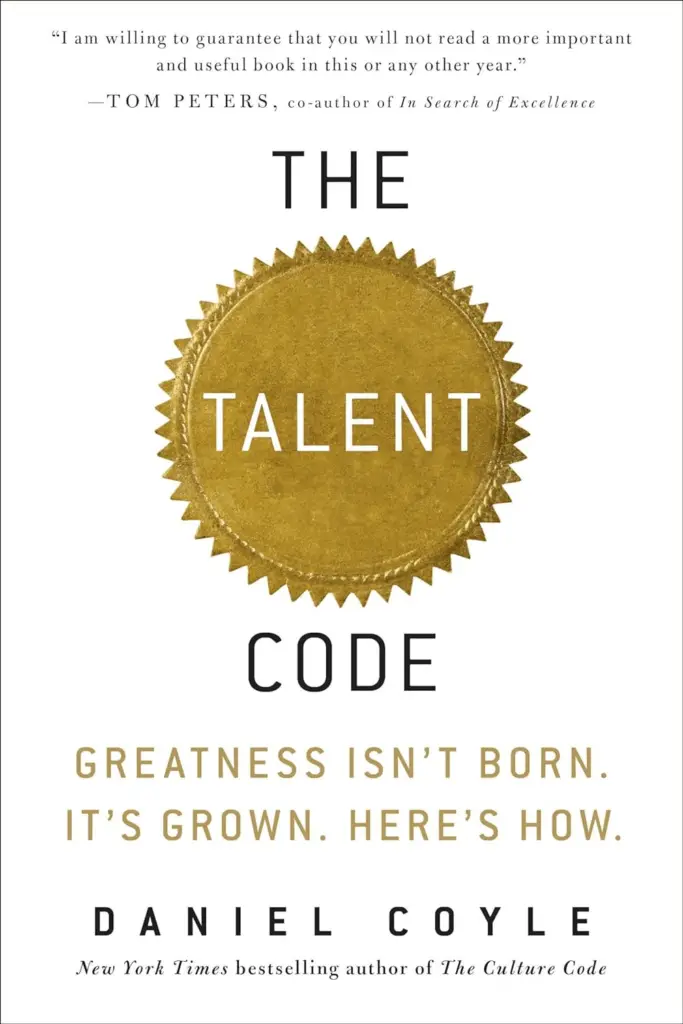
    2. The Talent Code by Daniel Coyle

    volleyball books

    This volleyball book is a must-read for coaches and athletes alike. Coyle delves into the science of skill acquisition, providing insight into how our brains create and develop talent. He explores the concept of “deep practice,” which involves focusing on small, specific skills and repeating them until they become automatic. Coyle also emphasizes the importance of a supportive environment and the power of coaching.

    3. Answering the Call by Tim Samarin

    volleyball books

    This volleyball book is written by Tim Samarin, a former Navy SEAL who became a high school volleyball coach. Initially, Samarin shares his experiences as a SEAL and how they have influenced his volleyball coaching philosophy. In general, he emphasizes the importance of discipline, teamwork, and mental toughness, and provides practical advice for how to develop these qualities in yourself and your athletes. Overall, this book is an inspiring read that will motivate coaches to push themselves and their athletes to be their best.

    4. CHAMPION MINDED by Allistair McCaw

    volleyball books

    This book, Champion Minded, is written by Allistair McCaw, a strength and conditioning coach who has worked with Olympic athletes and professional sports teams. All in all, McCaw emphasizes the importance of a positive mindset and how it can help athletes achieve their goals. He also provides practical advice for developing mental toughness, such as setting goals, focusing on the process, and learning from failure. Overall, this book is a great resource for coaches who want to help their athletes develop a winning mindset.

    More of the Best Volleyball Books

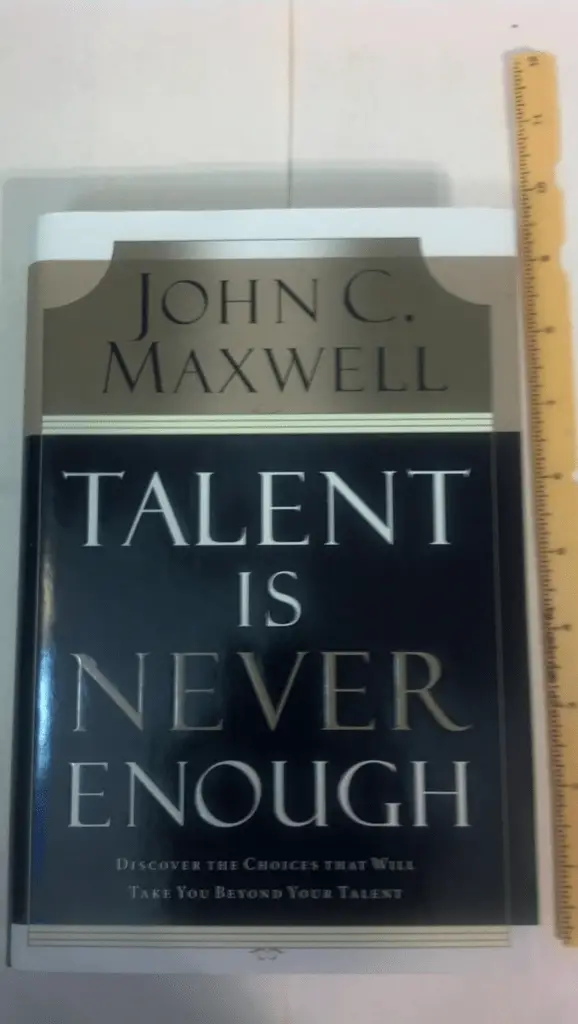
    5. Talent Is Never Enough by John C. Maxwell

    volleyball books

    In this book, John C. Maxwell emphasizes the importance of hard work, discipline, and perseverance in achieving success. Generally, he argues that talent alone is not enough, and that it must be combined with a strong work ethic and a willingness to learn and improve. Maxwell also provides practical advice for how to develop these qualities in yourself and your athletes. Overall, this book is a great read for anyone looking to take their performance to the next level.

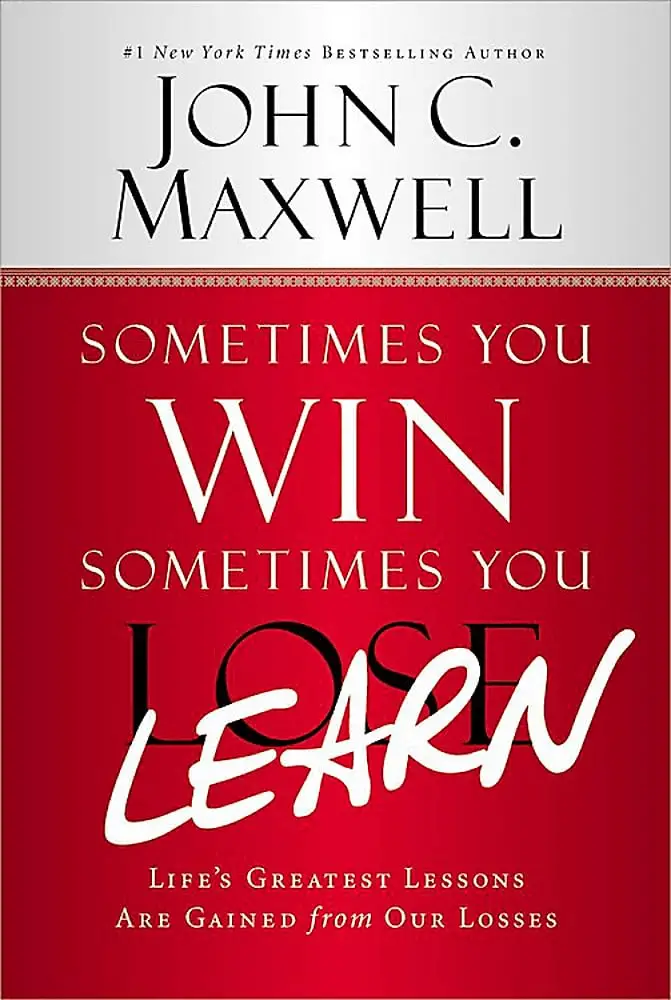
    6. Sometimes You Win, Sometimes You Learn by John C. Maxwell

    volleyball books

    This book is another great read from John C. Maxwell. All in all, he explores the concept of learning from failure and how it can help us grow and become better. Maxwell provides practical advice for how to learn from failure, such as reflecting on our mistakes, seeking feedback, and staying positive. Overall, this book is a great resource for coaches who want to help their athletes learn from their mistakes and develop a growth mindset. (For Teens)

    Volleyball Books Conclusion

    In conclusion, these six volleyball books are all excellent resources for volleyball coaches and players who want to learn more while they are off the court about how to be better while on the court. In any case, volleyball cannot only be learned on the court. Overall, reading volleyball books such as the ones listed above will help you develop a valuable mindset in addition to your volleyball skills.

    Finally, please check out more articles found on: dennyfalls.com

    Home » Volleyball » Page 12
  • What are the Volleyball Positions?

    Volleyball is a team sport that requires each player to understand and perform their role on the court. There are six positions in volleyball, each with specific responsibilities and requirements. In this blog post, we’ll go over each of the volleyball positions and what they entail.

    Volleyball Positions

    Volleyball is a dynamic team sport, and every player on the court has a unique role that contributes to the game’s flow and success. In this article, we’ll break down the six primary volleyball positions and the skills required to excel at each one.

    1. Setter
      The setter is responsible for setting up the ball for the hitters to attack. They are usually the second player to touch the ball and are located in the middle of the court. Generally, setters must have excellent hand-eye coordination, good decision-making skills, and the ability to communicate effectively with their teammates.
    2. Outside Hitter
      The outside hitter is usually the primary attacker on the team. Outsides are located on the left side of the court. They are responsible for attacking the ball from the left side of the net. Outside Hitters must have excellent hitting skills, plus the ability to read the defense and adjust their approach accordingly.
    3. Middle Blocker
      Thirdly, the middle blocker is positioned in the middle of the net and is responsible for blocking the opposing team’s attacks. Overall, they must have good timing, jumping ability, and the ability to read the opposing team’s hitters.
    4. Opposite Hitter
      The opposite hitter is positioned on the right side of the court and is responsible for attacking the ball from that side. They must have good hitting skills, as well as the ability to read the defense and adjust their approach accordingly.

    More Volleyball Positions

    1. Defensive Specialist & Libero
      The defensive specialist or libero is responsible for playing in the back row and receiving the opposing team’s attacks. They must have good passing and defensive skills, as well as the ability to read the opposing team’s hitters on the court.
    2. Serving Specialist
      Lastly, the serving specialist is usually a player who specializes in serving the ball. All in all, they may enter the game for a specific rotation to provide strong serves or to change the pace of the game.

    Positions in Volleyball Conclusion

    In conclusion, understanding the different volleyball positions and their responsibilities is essential for success in this team sport. All in all, volleyball is a dynamic sport and each position has a unique job description and skills which add to the team. Each volleyball position plays a distinct role in the team’s overall strategy, requiring a combination of specific skills, court awareness, and adaptability. By understanding these positions and honing the necessary skills, players can better contribute to their team’s success and enjoy the fast-paced excitement of the game. For those looking to discover their ideal role on the court, resources like quizzes and position guides can help you find your fit and take your volleyball game to the next level.

    In volleyball, every one can have a position which suits them the best when on the court. To learn more, check out guides and quizzes, such as: Which Volleyball Position Should I Play? All in all, by focusing on their individual roles and working together as a team, volleyball players can achieve their goals and enjoy the thrill of the game.

    volleyball positions

    Finally, check out more volleyball articles found: Denny Falls Volleyball

    Home » Volleyball » Page 12