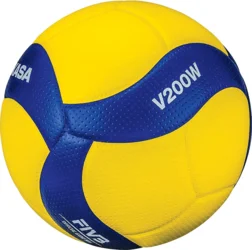
Tag: volleyball

Volleyball, volleyball, volleyball! Anything and all things volleyball related content from dennyfalls.com!

  • What to Know about Volleyball Nutrition Right Now

    Volleyball is a dynamic sport that demands agility, power, endurance, and volleyball nutrition. To perform at your best on the court, you need to pay close attention to your nutrition. Proper nutrition not only enhances your physical abilities but also supports your overall health and recovery. In this guide, we will explore the essential aspects of nutrition for volleyball players to help you reach your full potential on the court.

    Balanced Volleyball Nutrition

    A balanced diet is the cornerstone of good nutrition. All in all, aim to include a variety of foods from different food groups in your meals. These include:

    • Carbohydrates:
      They provide energy for the explosive movements in volleyball. Opt for complex carbohydrates like whole grains, fruits, and vegetables to sustain your energy levels throughout a match on the court.
    • Proteins:
      Vital for muscle repair and growth. Lean sources like chicken, turkey, fish, and plant-based options like beans and tofu are excellent choices.
    • Fats:
      Healthy fats from sources like avocados, nuts, and olive oil support overall health and can provide a steady source of energy.
    • Fruits and Vegetables:
      Packed with essential vitamins, minerals, and antioxidants, these are crucial for recovery and immune support.
    • Dairy or Dairy Alternatives:
      Provide calcium for strong bones and muscles. Options like Greek yogurt or fortified almond milk are suitable choices.
    • Hydration:
      Staying properly hydrated is vital for performance. Water is usually sufficient for most athletes, but for intense or prolonged training sessions, consider sports drinks to replace lost electrolytes.

    Pre-Game Nutrition: Fueling Up for Success

    What you eat before a match or practice can significantly impact your performance. Initially, focus on easily digestible carbohydrates to provide a quick energy boost. All in all, some pre-game volleyball nutrition meal ideas include:

    • Whole-grain pasta with lean protein:
      A classic choice that provides both carbs and protein.
    • Oatmeal with fruit and nuts:
      A great option for morning matches.
    • Rice cakes with nut butter and banana:
      Quick and portable for on-the-go fuel on the court.
    • Fruit smoothie with Greek yogurt:
      Easy to digest and customizable to your taste.

    During the Game: Staying Energized

    Volleyball matches can be physically demanding, so it’s essential to maintain your energy levels throughout the game. Consider consuming small, easily digestible snacks or drinks with carbohydrates and electrolytes during breaks.

    • Energy gels or chews:
      Convenient options that can be consumed quickly during timeouts.
    • Sports drinks:
      Provide both hydration and electrolytes.
    • Bananas or orange slices:
      Natural sources of energy and hydration on the court.

    Post-Game Recovery: Repair and Replenish

    After a match or practice, your body needs nutrients to recover. Overall, focus on foods rich in protein and carbohydrates to repair muscles and replenish glycogen stores.

    • Chocolate milk:
      A classic recovery beverage that provides both protein and carbs.
    • Grilled chicken with quinoa and vegetables:
      A balanced meal that supports recovery.
    • Greek yogurt with honey and berries:
      A tasty and protein-rich option.

    Volleyball Nutrition Supplements: When and What to Consider

    While a balanced diet should provide most of the nutrients you need, some volleyball players may benefit from supplements. Common supplements for athletes include:

    • Protein powder:
      Useful for meeting increased protein needs, especially if you have difficulty getting enough through food when on the court.
    • Creatine:
      Shown to improve power and performance in explosive sports like volleyball.
    • Multivitamins:
      Can help fill in nutrient gaps, but should not replace a varied diet.
    volleyball nutrition

    Conclusion

    Nutrition is a critical aspect of a volleyball player’s performance and overall well-being. By fueling your body with a balanced diet, staying hydrated, and making smart choices for pre-game, during-game, and post-game nutrition, you can enhance your agility, power, and endurance on the court. Remember that individual nutritional needs can vary, so it’s advisable to consult with a sports nutritionist or healthcare professional to create a personalized nutrition plan that aligns with your goals and body requirements. All in all, with the right nutrition strategy, you can unlock your full potential as a volleyball player and excel in every match.

    Finally, check out more articles found on:
    dennyfalls.com

    Home » volleyball » Page 11
  • What is Setter? Volleyball Positions

    In the thrilling world of volleyball, every team requires a setter- a conductor, a strategist, and a player set for victory. The setter is the maestro of the team, orchestrating plays, distributing the ball with precision, and making split-second decisions that determine the course of the game. In this segment of our guide to volleyball positions, we explore the indispensable role of volleyball setters.

    Skills and Qualities to Set

    1. Setting Hands:
      Firstly, all players who set must possess exceptional hand-eye coordination and precise control to deliver accurate sets to their teammates.
    2. Quick Thinking:
      Volleyball is a fast-paced sport, and players who set must make quick decisions about where to set the ball based on the situation, the position of blockers, and the readiness of their hitters.
    3. Communication:
      Thirdly, effective communication with teammates is essential. They often call plays to guide the team’s offense and defense.
    4. Court Awareness:
      Successful players have a deep understanding of the game, excellent court awareness, and an ability to read the opponent’s defense.
    5. Consistency:
      Finally, consistency in setting is vital to be setting. Lastly, their teammates rely on them to deliver reliable sets to execute successful attacks.

    Volleyball Setter Position

    The setter is a crucial position in volleyball, typically positioned to deliver the ball to their teammates for successful attacks. The primary responsibilities of a setter divides into two categories:

    Setter Offensive Duties

    1. Setting:
      Firstly, the most critical role is setting the ball for their teammates to attack. This involves using their fingertips to accurately place the ball in a position that allows the hitter to spike it over the net. Typically, precision and consistency are key in setting.
    2. Dumping:
      On occasion, setters can use their setting skills to surprise the opposing team by sending the ball over the net themselves, known as a dump. Overall, this move can catch the defense off guard and earn points.

    Setter Defensive Duties

    1. Digging:
      Setters are responsible for accurately digging attacks and passing the ball to their other teammates. This is when they are in the back row. All in all, a strong passing game is crucial for good offensive plays.
    2. Blocking:
      Setters typically can find themselves in the front row. They block at the net when they rotate to the front row. Overall, this requires coordination with other blockers and good timing.

    Strategic and Creative Play of Setting

    Setters are not just skilled technicians; they are also strategic thinkers. Initially, they must have a deep understanding of the game, anticipate the opponent’s moves, and create opportunities for their hitters. Overall, a good player can disguise their intentions, making it challenging for the opponent to predict the next play.

    Setting Position Team Leadership

    Overall, setters often take on leadership roles in the team. All in all, they are vocal, directing plays, encouraging teammates, and maintaining team morale. Much like the quarterback in football, players who set are the captains and leaders of the team. Especially, their leadership extends beyond the court, where they analyze opponents and devise strategies with the coaching staff.

    setter

    Setter in Volleyball Conclusion

    In conclusion, the role of a volleyball player who sets is both intricate and indispensable. As the team’s strategist, they hold the power to transform a chaotic rally into a seamless attack. Overall, their precision, quick thinking, and court awareness are attributes that make them invaluable assets to their teams.

    Finally, to excel, players must invest time in honing their technical skills, studying the game, and developing the ability to read the court and their opponents. A successful volleyball player not only contributes to the team’s performance but also plays a pivotal role in uniting and leading their squad to victory on the court.

    Lastly, as we continue to explore the diverse volleyball positions in this guide, we’ll uncover the unique contributions of each role and shed light on the interconnected web of teamwork that defines the sport of volleyball.

    For info on the best volleyball shoes for setters, check here: Best Volleyball Shoes for Setters

    Finally, check out more volleyball articles found on: dennyfalls.com

    Home » volleyball » Page 11
  • Who is Misty May-Treanor?

    Asking who is Misty May-Treanor?

    Misty May-Treanor is a name synonymous with volleyball greatness. Her remarkable career and countless accolades have solidified her status as one of the most celebrated athletes in the sport’s history. In this blog post, we’ll dive deep into the life and achievements of Misty May-Treanor, a true volleyball legend.

    Who is Misty May-Treanor?

    Misty May-Treanor Early Life and Background

    Misty Elizabeth May was born on July 30, 1977, in Los Angeles, California. Her introduction to volleyball came at an early age, thanks in part to her father, Butch May, who was a prominent beach volleyball player himself. Misty’s mother, Barbara May, also played a significant role in nurturing her passion for the sport.

    Misty May-Treanor’s Collegiate Success

    Initially, Misty’s journey to greatness began at Newport Harbor High School, where she excelled as a multi-sport athlete. After high school, she continued to hone her volleyball skills at Long Beach State University. Misty played under the guidance of renowned coach Brian Gimmillaro. During her collegiate career, Misty May became a standout player and led her team to a national championship in 1998.

    Misty May-Treanor’s Olympic Dominance

    Misty May-Treanor’s legacy is most profoundly etched in the sands of beach volleyball, particularly through her unprecedented success at the Olympic Games. Alongside her longtime partner, Kerri Walsh Jennings, she formed one of the most iconic duos in sports history.

    Their journey to Olympic glory began in Athens in 2004, where they secured their first gold medal. To start with, Misty and Kerri’s dynamic on the court, characterized by exceptional chemistry and unmatched skill, continued to shine in the 2008 Beijing Olympics, where they clinched their second consecutive gold medal.

    Last, the duo’s remarkable Olympic run reached its zenith at the 2012 London Olympics, where they secured an unprecedented third consecutive gold medal. All in all, Misty May-Treanor’s ability to perform under pressure and her unparalleled skills as a defender and attacker played pivotal roles in their success.

    Misty’s Legacy and Impact

    Misty May-Treanor’s impact on the sport of volleyball extends far beyond her Olympic triumphs. Her dedication, relentless work ethic, and passion for the game have inspired countless aspiring athletes. As she progressed, she has set the bar incredibly high for future generations of beach volleyball players, both in the United States and around the world.

    Over time, Misty has been a vocal advocate for women’s sports and has used her platform to champion causes. Unwaveringly, she has been a role model for female athletes, demonstrating with determination, women can achieve greatness in sports and beyond.

    Misty’s Life Beyond Volleyball

    Following her retirement from professional beach volleyball after the 2012 London Olympics, Misty May-Treanor ventured into coaching and broadcasting. She has shared her expertise as a coach, helping to nurture the talents of young volleyball players.

    In addition to her coaching endeavors, Misty has appeared as a contestant on the show “Dancing with the Stars”.

    Misty May-Treanor

    Misty May-Treanor Conclusion

    In conclusion, Misty May-Treanor’s illustrious career and indomitable spirit have left an indelible mark on the world of volleyball. Her three consecutive Olympic gold medals stand as a testament to her unparalleled skill, dedication, and love for the sport.

    In addition, beyond her athletic achievements, Misty’s advocacy for women in sports and her commitment to giving back to the volleyball community have solidified her legacy as a true icon. Overall, her journey from a young athlete with a passion of volleyball is a story of perseverance, excellence, and unwavering determination.

    Finally, fans and admirers, we can only look back in awe at the incredible journey of Misty May-Treanor. Certainly, all players can appreciate the immeasurable impact she has had on the sport she loves.

    Lastly, check out more articles found on: dennyfalls.com

    Home » volleyball » Page 11
  • How to Learn Volleyball: 5 Tips for Volleyball Beginners

    Are you a beginner looking how to dive into the exciting world of how to learn volleyball? Whether you’re just starting out or looking to brush up on your skills, mastering the basics is crucial to building a strong foundation. In this blog post, we present the top five essential volleyball tips for beginners that will help you develop your technique and elevate your game to the next level.

    How to Learn Volleyball

    1. Focus on Proper Footwork:

    Footwork is the key to effective movement on the volleyball court and the basis of how to learn volleyball. Start by learning the correct footwork on the court for each skill: serving, passing, and hitting. Lastly, practice your footwork drills regularly to improve your agility, speed, and balance, which are essential for making accurate plays.

    2. Master the Art of Passing:

    Passing, also known as bumping, is a fundamental skill in volleyball. After footwork, focus on keeping your platform firm and square to the target, using your legs and arms to absorb and redirect the ball. Work on your passing accuracy and consistency, as it sets the stage for successful attacks and rallies on the court.

    3. Develop Strong Serving Techniques:

    To begin with, Serving can be a game-changer if executed well. Start by learning the basic techniques, such as the standing float serve or the overhead topspin serve. Once you have the basics, experiment with different serves to find the one that suits your playing style and gives you the best control and accuracy. Finally, practice regularly to build confidence and develop a consistent serve. Check out this article to learn how to jump float serve!

    how to learn volleyball

    Advanced Steps How to Learn Volleyball

    4. Hone Your Hitting Skills:

    Mastering the art of hitting is essential for becoming a formidable attacker for your team. To begin with, learn the proper approach footwork, arm swing technique, and timing to maximize your hitting power on the court. Practice hitting against a wall or with a partner to improve your precision and develop different shots, such as the cross-court hit and the line shot.

    5. Communication and Teamwork:

    Volleyball is a team sport that thrives on effective communication and teamwork on the court. All in all, develop good communication skills by calling for the ball, communicating plays, and providing support to your teammates. Lastly, work on building trust with your teammates through practice and constant communication on the court.

    Conclusion to Learning Volleyball

    In conclusion, by following these top five essential volleyball tips for beginners, you’ll be well on your way to mastering the basics and elevating your game. Firstly, remember to focus on proper footwork, master passing and serving techniques, hone your hitting skills, and prioritize communication and teamwork. Over time, consistent practice and dedication are key to improving your volleyball skills, so keep pushing yourself and never stop learning. All in all, most importantly, embrace the joy of the game and watch yourself grow into a confident and skilled volleyball player on the court.

    For more reviews of the best volleyball products, next check out:
    Best Volleyball Ankle Braces
    Best Volleyball Knee Pads

    Finally, check out more volleyball articles found on: 
    dennyfalls.com

    Home » volleyball » Page 11
  • How to Measure Vertical Jump in Volleyball Right Now

    In the world of volleyball, having an impressive vertical jump in volleyball is a game-changer. A higher jump can lead to more powerful spikes, effective blocks, and improved agility on the court. But how do you measure your vertical jump in volleyball, and why is it essential? In this guide, we’ll explore the importance of measuring your vertical jump and provide you with practical methods to do so.

    Why Measure Your Vertical Jump?

    Measuring your vertical jump in volleyball offers several advantages:

    1. Performance Assessment:
      First, measurement helps you understand your current jumping ability, allowing you to track progress over time. To start, get an initial idea of what your jump touch is.
    2. Goal Setting:
      Knowing your vertical jump can help you set specific goals for improvement, whether you’re aiming to increase your reach at the net or enhance your overall athleticism.
    3. Competitive Edge:
      Importantly, a higher vertical jump can give you a competitive advantage by allowing you to outperform opponents in key situations, such as spiking or blocking.
    4. Injury Prevention:
      Lastly, training to improve your vertical jump often involves strengthening key leg muscles, which can help reduce the risk of injuries. In order to jump high, you must train safely on and off the court.
    vertical jump in volleyball

    Method 1: The Vertical Jump Test

    The Vertical Jump Test is a straightforward way to measure your jump height. To begin, here’s how you can do it:

    1. Equipment:
      You’ll need a wall or a vertical jump measurement device, a piece of chalk or tape, and a tape measure. Make sure there is space along the wall to do a jump, approach, or block move.
    2. Setup:
      To begin, stand next to the wall with your dominant hand raised overhead. Mark the highest point you can reach on the wall with chalk or tape. You can jump a few times to reach as high as you can.
    3. Measurement:
      Next, stand facing the wall and jump as high as you can, reaching up to touch the wall at your highest point. Mark the spot where you touched the wall when you do a jump.
    4. Calculation:
      Measure the distance between the highest point you reached during your jump and your standing reach. All in all, this measurement represents your vertical jump height.

    Method 2: Vertical Jump Apps and Devices

    In the digital age, numerous apps and devices can help you measure your vertical jump accurately. All in all, these tools often use smartphone cameras or specialized sensors to calculate your jump height. First, here’s how to use them:

    1. Choose an App or Device:
      Firstly, research and select a reliable vertical jump measurement app or device. Some popular options include My Jump 2, Just Jump, or the Vertec Vertical Jump Tester. Each are easy to use and help you know quickly how high you can jump.
    2. Follow Instructions:
      Secondly, install the app or set up the device according to the manufacturer’s instructions. Most need a device such as a phone or a tablet to connect to.
    3. Calibration:
      Initially, most apps and devices require a calibration step, where you enter your height or other relevant information. Most devices use tracking your motions to know how high you jump.
    4. Jump:
      Perform a maximal vertical jump while holding the device or positioning your smartphone as directed.
    5. Measurement:
      Finally, the app or device will provide you with your jump height in inches or centimeters.

    Method 3: Vertical Jump in Volleyball Combines or Tryouts

    Thirdly, many volleyball training facilities and sports performance centers offer specialized equipment to measure vertical jump. Additionally, many times at tournaments services offering college recruiting will provide the equipment to measure your vertical jump. Typically, these systems often combine force plates, infrared cameras, and software to provide highly accurate measurements which they can then use to select you for college or for a team at tryouts. Finally, if you have access to such facilities or services, consider booking a session to get precise data on your vertical jump.

    Vertical Jump in Volleyball Conclusion

    In conclusion, measuring your vertical jump in volleyball is a valuable tool for assessing your athletic ability, setting goals, and gaining a competitive edge. Starting today, whether you choose the simple Vertical Jump Test, modern apps and devices, or advanced equipment at training facilities, regularly tracking your vertical jump progress can lead to significant improvements in your volleyball game. So, take the leap, measure your vertical jump, and start reaching new heights on the volleyball court.

    For more of the best volleyball equipment, please check out more articles:
    Best Volleyball Ankle Braces
    Best Volleyball Arm Sleeves

    Finally, check out more articles found on: 
    dennyfalls.com

    Home » volleyball » Page 11
  • Who is Hugh McCutcheon?

    In the world of volleyball, few names resonate as strongly as volleyball coach Hugh McCutcheon. Renowned for his exceptional volleyball coaching acumen and impressive career in both men’s and women’s volleyball, McCutcheon’s had a profound impact. In this exploration, we’ll delve into the remarkable journey of Hugh McCutcheon. From his playing days to his coaching triumphs, let’s shed light on the legacy of this influential figure.

    Hugh McCutcheon is a renowned volleyball coach and former player from New Zealand. He is best known for his successful coaching career, particularly with the United States national teams. McCutcheon served as the head coach of the U.S. men’s national volleyball team from 2005-2008. He led them to a gold medal at the 2008 Beijing Olympics. Following this success, he became the head coach of the U.S. women’s national volleyball team from 2009-2012. Next, he guided them to a silver medal at the 2012 London Olympics.

    McCutcheon has also been involved in collegiate volleyball, serving as head coach of the University of Minnesota women’s volleyball team. His coaching philosophy emphasizes strong fundamentals, strategic gameplay, and fostering a positive team culture. McCutcheon is widely respected in volleyball for his contributions to the sport and his ability to develop and inspire athletes.

    Hugh McCutcheon: A Brief Biography

    Born on August 13, 1969, in Christchurch, New Zealand, Hugh McCutcheon’s journey in volleyball began as a player. He represented his home country in both indoor and beach volleyball, showcasing his skills on an international stage. However, it was in coaching that McCutcheon would leave an indelible mark.

    Hugh McCutcheon played collegiate volleyball at Brigham Young University (BYU), where he also began his coaching career as an assistant. His transition from player to coach was marked by a deep understanding of the game, strong analytical skills, and an ability to communicate effectively with athletes.

    After his success with the U.S. national teams, McCutcheon continued to influence the sport at the collegiate level. In 2012, he became the head coach of the University of Minnesota women’s volleyball team, where he has continued to build a highly competitive program. Under his leadership, the team has consistently performed well in the NCAA tournaments, reaching several Final Fours and establishing Minnesota as one of the top programs in the country.

    McCutcheon’s coaching style is meticulous preparation, a focus on developing all aspects of the game, and a commitment to creating a supportive yet challenging environment for his players. He has a great ability to adapt strategies and tactics to suit the strengths and weaknesses of his team, making him a versatile and effective coach.

    Throughout his career, McCutcheon earned numerous awards and recognitions, including induction into the International Volleyball Hall of Fame in 2018. His legacy extends beyond his immediate achievements, as he has mentored many young coaches and players, contributing to the growth and development of volleyball worldwide.

    Hugh’s Coaching Achievements

    1. National Teams: Men and Women:
      McCutcheon’s coaching prowess was first recognized when was the head coach of the U.S. men’s national volleyball team from 2005 to 2008. Under his guidance, the team achieved a historic gold medal at the 2008 Beijing Olympics. This marked the first Olympic gold for the U.S. men’s team in 20 years. Following this success, McCutcheon transitioned to coaching the U.S. women’s national volleyball team. Overall, his leadership and strategic insights propelled the women’s team to new heights, securing a silver medal at the 2012 London Olympics.
    2. Collegiate Coaching:
      McCutcheon further solidified his coaching legacy in the collegiate realm. He took the helm at the University of Minnesota’s women’s volleyball program and led the team to multiple NCAA tournament appearances. This established the Golden Gophers as a force to be reckoned with in collegiate volleyball.

    Hugh McCutcheon’s Coaching Philosophy

    Known for his analytical approach and emphasis on teamwork, McCutcheon’s coaching philosophy revolves around developing a cohesive unit that performs efficiently under pressure. All in all, his ability to instill a winning mindset and extract the best from each player is a testament to his volleyball coaching prowess.

    How Much Does Hugh McCutcheon Make?

    While specific details about Hugh McCutcheon’s current earnings are not public, it’s common for the salaries of top-level coaches to near $1M. These factors vary, such as the level of competition, the success of the teams under their guidance, and contractual agreements. Overall, coaches at the national team level and those leading successful collegiate programs often command competitive salaries. Reflective of their expertise and track record, the range is typically between $500k-$1M for top coaches.

    For the most accurate and up-to-date information on Hugh McCutcheon’s earnings, it’s recommended to refer to recent sports news, official team announcements, or reliable sports databases. Overall, privacy and contractual considerations can sometimes limit the availability of specific salary details for individual coaches.

    hugh mccutcheon

    Hugh McCutcheon Conclusion

    Hugh McCutcheon stands as a figure in the world of volleyball. McCutcheon has an indelible legacy as both a player and a coach. Overall, his coaching achievements, namely the Olympic gold with the U.S. team in 2008, have solidified him in the coaching elite.

    In conclusion, as fans and enthusiasts continue to admire McCutcheon’s contributions to the sport. His coaching philosophy and commitment to excellence serve as inspiration for aspiring players and coaches worldwide. While the question of how much Hugh McCutcheon makes, there’s no denying the immeasurable value he has added.

    For reviews of the best volleyball products, next check out:
    Best Volleyball Ankle Braces
    Best Volleyball Ball

    Finally, check out more articles found on: dennyfalls.com

    Home » volleyball » Page 11