
Tag: volleyball training

Volleyball Training: “Improve skills with elite training tips.”

  • The Best Recovery Tools for Volleyball to Buy Right Now

    In the demanding world of volleyball, peak performance isn’t just about what happens on the court; it’s about having the best recovery tools for volleyball. To help you bounce back faster and stronger, we’ve curated a list of the best recovery tools in the game. From cutting-edge compression systems to innovative percussion devices, these tools are the secret weapons that top athletes use to stay at the top of their game.

    Best Recovery Tools for Volleyball

    From intelligent compression systems to state-of-the-art percussion devices, these recovery tools are your ticket to quicker recuperation and peak performance. Join us as we explore the cutting-edge arsenal that will revolutionize the way you recover. Ensure that every match leaves you not just tired but triumphantly rejuvenated.

    1. Normatec 3 Recovery System
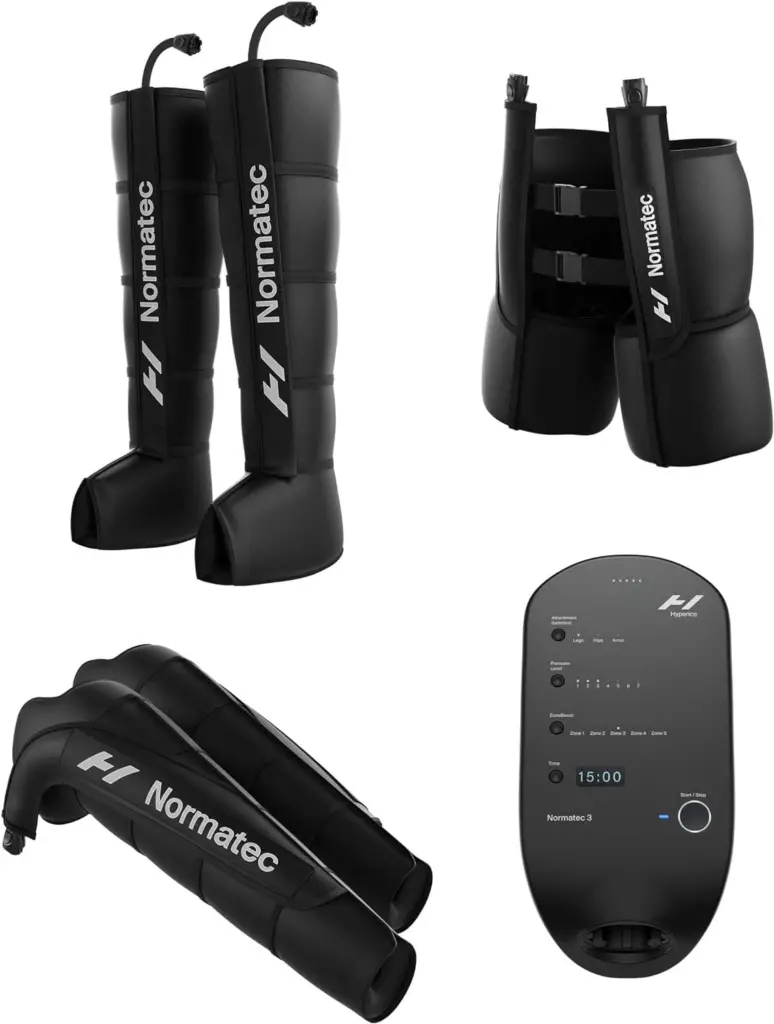
    recovery tools for volleyball

    The Normatec 3 Recovery System is the maestro of recovery, employing dynamic compression technology to enhance blood flow and reduce inflammation. Firstly, designed with customizable settings, this system delivers a therapeutic massage experience, promoting a quicker recovery between intense training sessions and matches. Whether you’re dealing with sore muscles or aiming to prevent injury, the Normatec 3 is a symphony for your fatigued muscles.

    2. Hypervolt 2 Pro
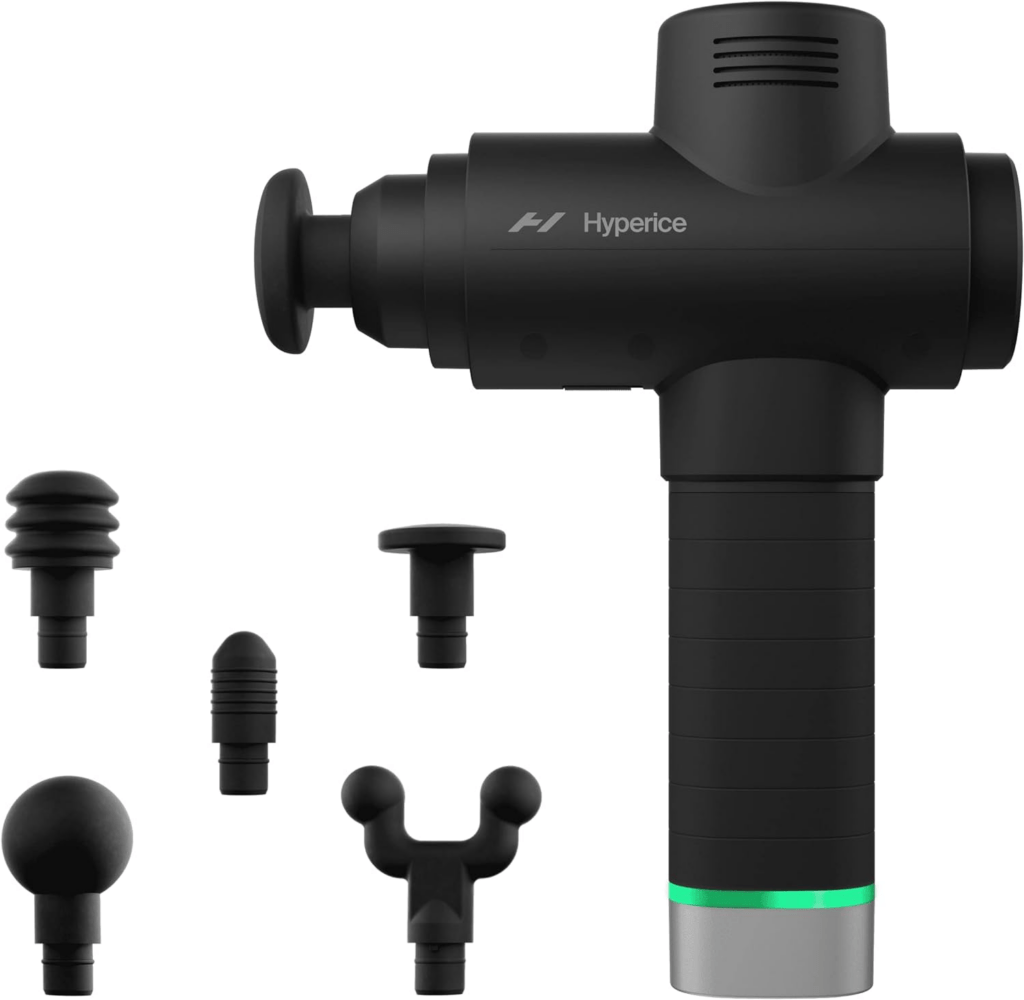
    best recovery tools for volleyball

    Meet the Hypervolt 2 Pro, a percussion massage device that’s redefining recovery. All in all, with its powerful high-torque motor and attachments, this tool penetrates deep muscles for tightness and enhance flexibility. Overall, the lightweight and ergonomic design make it easy to target specific muscle groups, providing a professional-grade massage experience in the comfort of your own home.

    3. Venom 2 Advanced Heat + Vibration Wrap
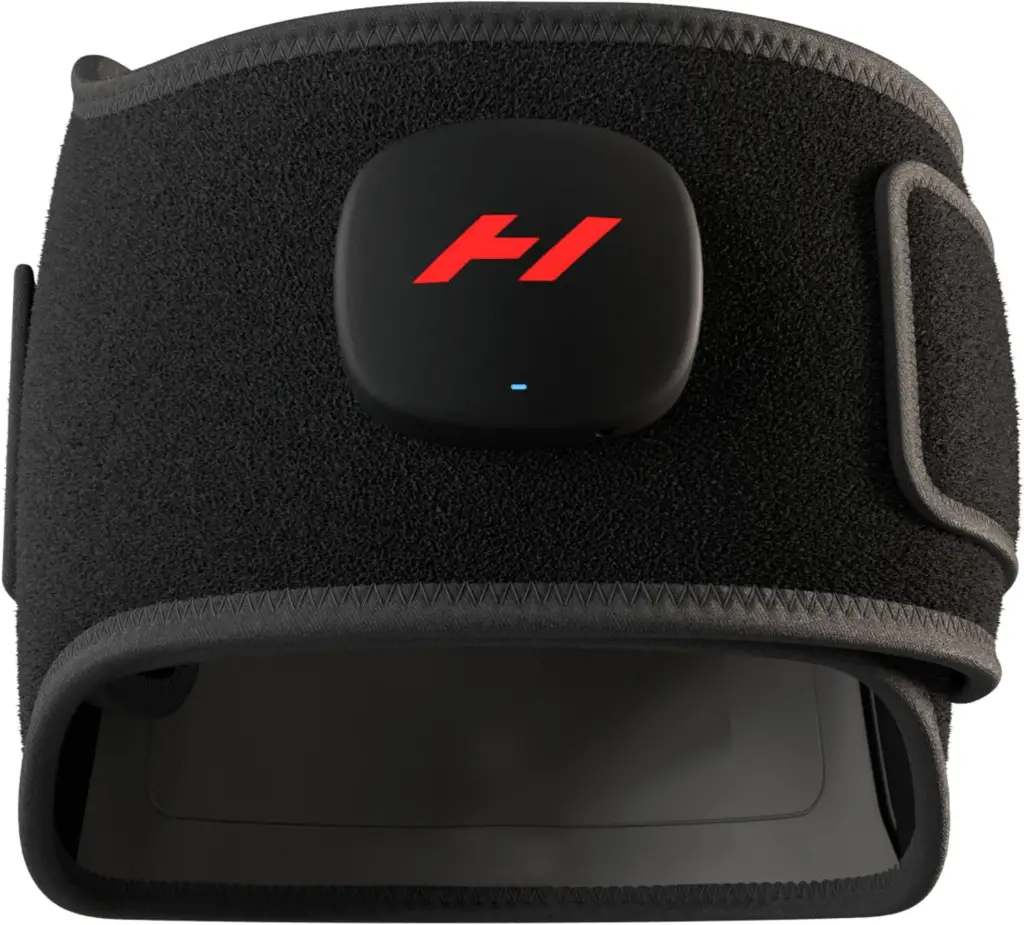
    best recovery for volleyball

    Combining heat and vibration therapy, the Venom 2 Wrap is a game-changer in post-workout recovery. All in all, this wearable technology wraps around your muscles, delivering a soothing combination of heat and vibration to enhance blood flow and accelerate recovery. Whether dealing with muscle stiffness or simply to unwind after a game, the Venom 2 provides the warm embrac your muscles need.

    More of the Best Recovery Tools for Volleyball

    In the fast-paced and physically demanding world of volleyball, the key to sustained excellence isn’t just in your serves and spikes—it’s in how efficiently you recover off the court. To help you unlock the secrets of optimal recovery, here’s even more advanced technology options for the best recovery tools for volleyball.

    4. Hyperice X
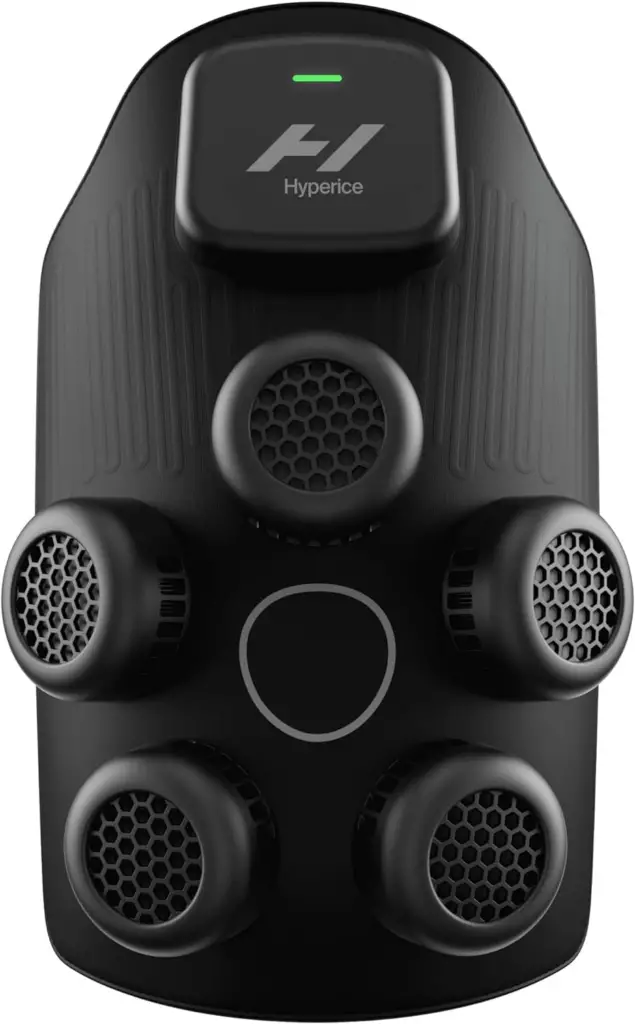
    recovery for volleyball

    The Hyperice X takes cold compression to the next level with its intelligent design. In general, this compact and portable device combines cryotherapy and compression to reduce swelling and inflammation. All in all, with customizable settings, it adapts to your recovery needs, providing targeted relief to areas that need it the most. Overall, the Hyperice X is a must-have for athletes looking to accelerate recovery with the power of cold therapy.

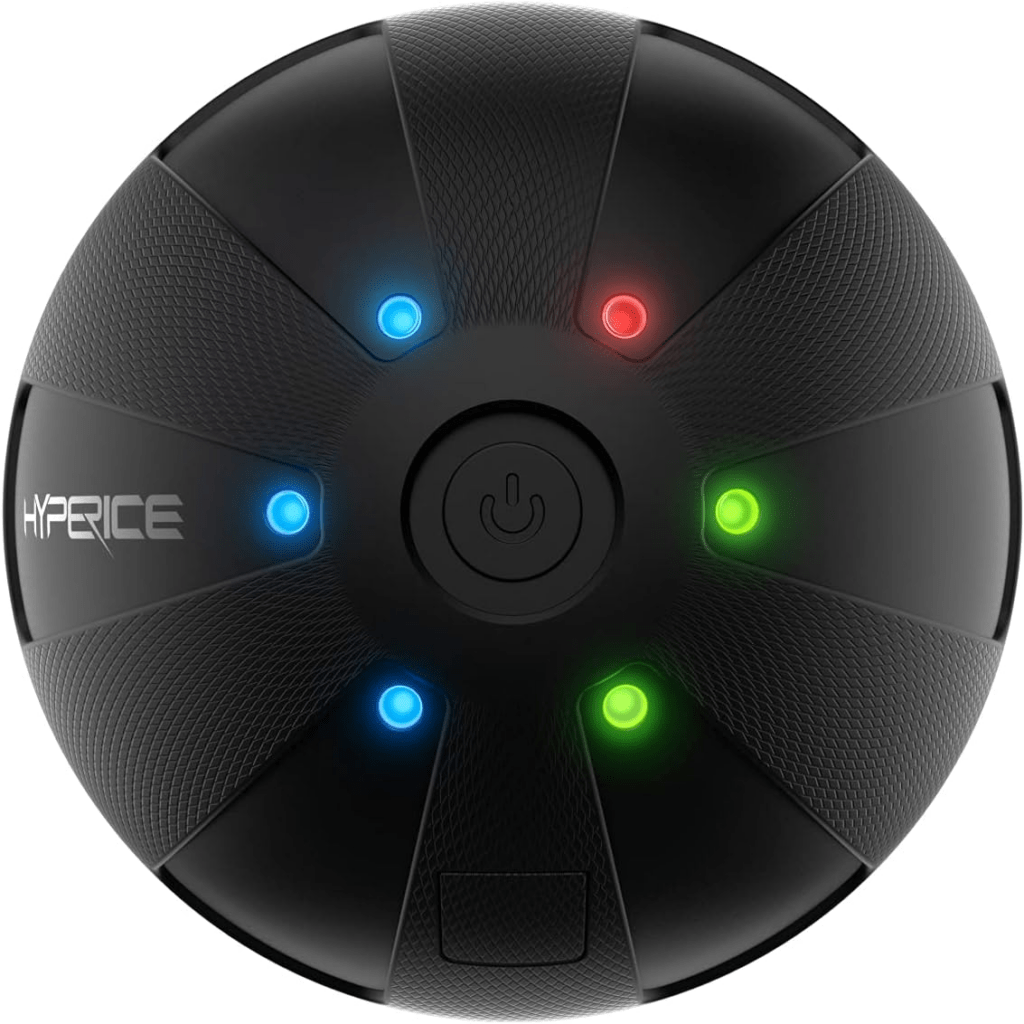
    5. Hyperice Hypersphere
    best recovery tools for volleyball

    For targeted myofascial release, the Hyperice Hypersphere is a compact and powerful vibrating massage ball. Overall, its high-intensity vibrations penetrate deep into muscles, releasing tension and improving flexibility. In general, the compact size allows you to target specific areas, making it a versatile tool for volleyball players looking to enhance their recovery routine.

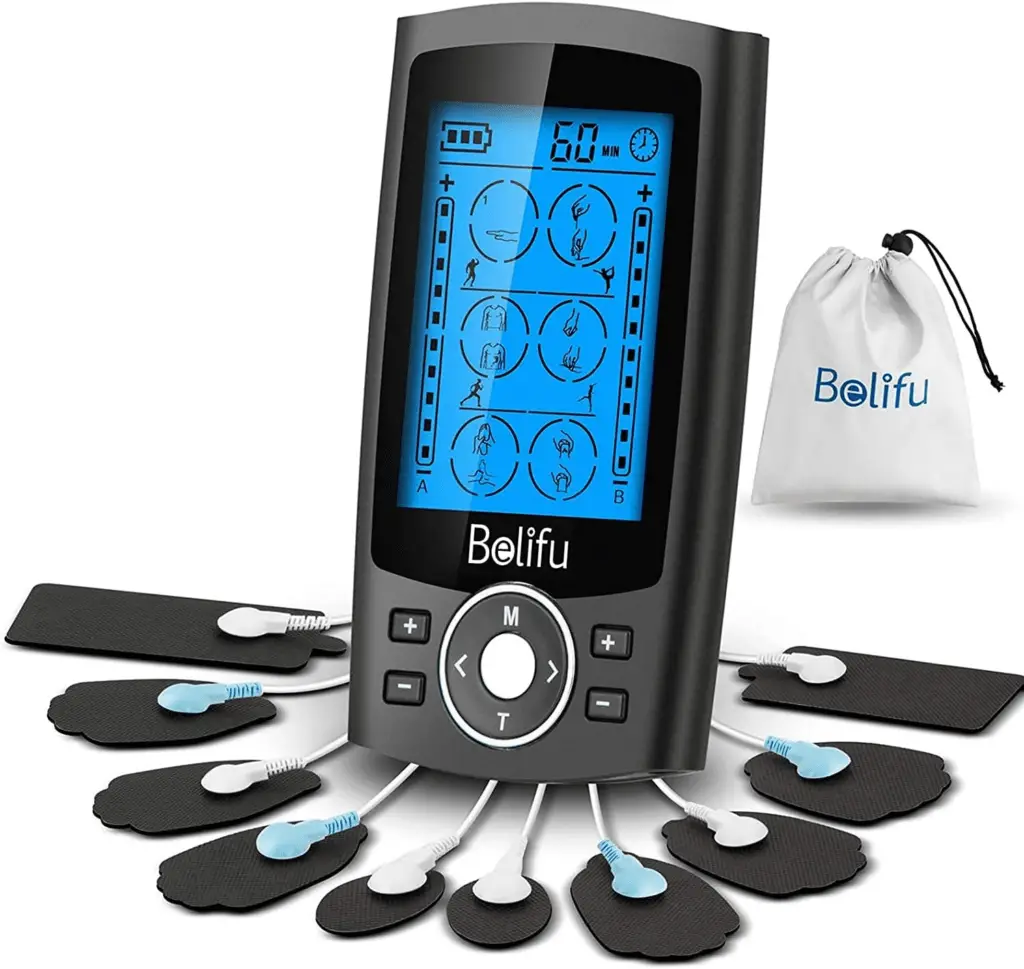
    6. Belifu TENS EMS Unit
    best recovery tools for volleyball

    Bring the benefits of electric muscle stimulation (EMS) to your recovery routine with the Belifu TENS EMS Unit. Overall, this portable device uses electrical impulses to stimulate muscle contractions, promoting blood circulation and reducing muscle soreness. With various intensity levels and modes, it’s a versatile tool for both recovery and muscle strengthening.

    Best Recovery Tools for Volleyball Conclusion

    In conclusion, in the world of volleyball, where every spike, dive, and sprint demands peak physical performance, investing in your recovery is non-negotiable. Finally, these cutting edge recovery tools aren’t just for professional athletes; they’re for anyone committed to reaching their full potential on the volleyball court. Overall, incorporate these tools into your routine, and witness the transformation as your muscles recover faster, allowing you to push your limits and elevate your game to new heights. All in all, our body deserves the best – give it the recovery tools that deliver results.

    For more reviews of the best volleyball products, next check out:
    Best Volleyball Ankle Braces
    Best Volleyball Knee Pads

    Finally, check out more articles found on:
    dennyfalls.com

    Home » volleyball training
  • The Best Volleyball Workouts to Try Right Now

    Searching for the best volleyball workouts?

    Volleyball, a sport demanding a unique blend of strength, agility, and explosive power, requires a targeted workout routine to enhance performance on the court. Whether you’re a seasoned player or just starting, incorporating the right volleyball workouts into your training regimen can be a game-changer. In this guide, we unveil the best volleyball workouts that will elevate your game to new heights.

    Best Volleyball Workouts

    1. Jump Training for Explosive Spikes

    Objective: Enhance vertical jump and power

    Workout:

    • Box Jumps: Firstly, stand in front of a sturdy box and explosively jump onto it, landing softly.
    • Depth Jumps: Step off a platform, land softly, and immediately jump as high as possible.
    • Jump Squats: Lastly, perform squats, exploding upward and jumping at the end of each repetition.

    Tip: A higher vertical jump not only improves your spiking ability but also aids in defense and blocking.

    2. Agility Drills for Quick Movement

    Objective: Improve lateral movement and agility

    Workout:

    • Ladder Drills: Perform various footwork patterns through an agility ladder.
    • Cone Drills: Set up cones in a zigzag pattern and practice quick direction changes.
    • Shuttle Runs: Sprint back and forth between two markers, emphasizing quick acceleration and deceleration.

    Tip: Overall, agility is crucial for reacting swiftly to the ball and outmaneuvering opponents on the court.

    best volleyball workouts

    3. Core Strength Best Volleyball Workouts

    Objective: Enhance stability for accurate passes and controlled movements

    Workout:

    • Planks: Hold a plank position, focusing on keeping your body straight.
    • Russian Twists: Sit on the floor, lean back slightly, and twist your torso to touch the ground on either side.
    • Leg Raises: Lie on your back and lift your legs toward the ceiling, engaging your core.

    Tip: Thirdly, a strong core provides the foundation for controlled movements and powerful hits.

    4. Plyometric Exercises for Speed and Coordination

    Objective: Develop fast-twitch muscle fibers for quick movements

    Workout:

    • Burpees: Combine a squat, push-up, and jump for an all-in-one plyometric exercise.
    • Box Jumps: Jump onto a box, landing softly and immediately jumping back down.
    • Medicine Ball Throws: Lastly, toss a medicine ball against a wall with explosive force.

    Tip: Plyometrics enhances your ability to move quickly and efficiently, essential for dynamic plays.

    5. Endurance Training for Long Matches

    Objective: Firstly, improve cardiovascular endurance for sustained energy

    Workout:

    • Interval Running: Initially, alternate between sprints and jogging to mimic the stop-and-start nature of volleyball.
    • Cycling: Long, steady rides enhance cardiovascular fitness.
    • Rowing: Finally, a full-body workout that builds endurance without excessive impact on joints.

    Tip: Initially, endurance is crucial for maintaining peak performance throughout the duration of a match.

    6. Shoulder and Arm Strength for Powerful Serves

    Objective: All in all, develop strength for powerful and accurate serves

    Workout:

    • Shoulder Press: Lift weights overhead to strengthen shoulder muscles.
    • Tricep Dips: Use parallel bars to target the triceps, essential for powerful serves.
    • Rotator Cuff Exercises: Lastly, perform external and internal rotations to strengthen the rotator cuff.

    Tip: Overall, strong shoulders and arms contribute to powerful serves and precise ball control.

    7. Flexibility Training for Injury Prevention

    Objective: Enhance flexibility for injury prevention and improved range of motion

    Workout:

    • Dynamic Stretching: Initially, incorporate dynamic stretches into your warm-up routine.
    • Yoga or Pilates: These practices improve flexibility and overall body awareness.
    • Foam Rolling: Lastly, use a foam roller to release tension in muscles and improve flexibility.

    Tip: Flexibility reduces the risk of injuries and ensures a wider range of motion during play.

    Best Volleyball Workouts Conclusion

    In conclusion, in the dynamic world of volleyball, a well-rounded workout routine is the key to unlocking your full potential on the court. Whether you’re aiming for powerful spikes, lightning-fast movements, or sustained endurance, these volleyball workouts cover all aspects of the game. Initially, incorporate them into your training regimen, stay consistent, and watch as your performance reaches new heights. Your journey to spiking success starts with the right workouts, so lace up those sneakers and get ready to dominate the volleyball court!

    Finally, check out more volleyball articles found on: dennyfalls.com

    Home » volleyball training
  • Best Serving Drills in Volleyball to Try Right Now

    Serving in volleyball is not just a formality; it’s a strategic weapon that can dictate the flow of the game learned in serving drills. Whether you’re a beginner looking to refine your serve or an experienced player aiming to add variety to your arsenal, mastering the best serving drills is essential. In this guide, we explore effective serving drills that can elevate your game to new heights.

    Best Serving Drills

    1. Precision Target Practice Serving Drills:

    Objective: Firstly, improve accuracy and consistency.

    Setup:

    • Initially, place a target on the opposite side of the court (a hula hoop, a cone, or a designated spot).
    • Stand at the serving line on both sides of the court.

    Drill:

    • Focus on hitting the target on a regular rate with your serves within the court.
    • Start with a slow and controlled motion, gradually increasing the speed and power of your serve as your accuracy improves.
    • Experiment with different types of serves (float, topspin, and jump serves) to enhance versatility.

    Tip: This drill not only enhances accuracy but also helps in developing muscle memory for different serving techniques.

    2. Passer vs. Server:

    Objective: Initially, simulate game scenarios and pressure situations.

    Setup:

    • Firstly, divide players into two groups: servers and passers.
    • Set up a net and mark the serving and receiving areas in the court with cones or markers.

    Drill:

    • Servers aim to disrupt the passers by serving strategically within the outlined zones on the court.
    • Passers focus on receiving and passing the ball accurately to the target at the net.
    • Rotate players between serving and passing positions every few minutes or between scored rounds.

    Tip: This drill not only replicates the pressure of real-game scenarios, but also promotes quick thinking and adaptability.

    serving drills

    3. Serving Ladder:

    Objective: Overall, enhance serving power and consistency on the court.

    Setup:

    • Mark a ladder pattern on the court using chalk or tape about 6-10 feet apart.
    • Stand at the starting point of the ladder, which is near the 10 foot line on the court.

    Drill:

    • Initially, serve the ball aiming to land it in the first square of the ladder.
    • After each successful serve, progress to the next square.
    • Lastly, if you miss, return to the starting point and begin again.

    Tip: The serving ladder drill helps in building both power and precision, pushing players to improve their serves gradually.

    4. Target Zones Serving Drills:

    Objective: Generally, develop control over different areas of the court.

    Setup:

    • Firstly, divide the court into target zones using markers or cones.

    Drill:

    • Initially, assign point values to different zones on the court.
    • Players aim to serve the ball into the designated zones to earn points in the game.
    • Finally, rotate serving positions to cover the entire court round by round.

    Tip: All in all, target zones encourage players to vary their serves strategically, targeting weak points in the opponent’s defense.

    5. Blindfold Serving:

    Objective: Finally, enhance focus and spatial awareness.

    Setup:

    • Blindfold the serving player. Use a flag, bandana, towel, or sleeping mask to cover all of their eyes.

    Drill:

    • All in all, relying solely on muscle memory and spatial awareness, the blindfolded player serves the ball into the court.
    • Lastly, a partner provides feedback on the accuracy and placement of the serves in the court.

    Tip: Overall, blindfold serving sharpens a player’s reliance on muscle memory, fostering a deeper connection between body and technique.

    Best Serving Drills Conclusion

    In conclusion, in the dynamic world of volleyball, a powerful and accurate serve can be a game-changer in a match. Overall, incorporating these serving drills into your training regimen can make the difference between an average serve and an ace for your team. Remember, consistency is key, and regular practice of these drills will not only enhance your serving prowess but also contribute to an all-around improvement in your game. So, step onto the court, grab a ball, and start acing those serves with these proven drills. All in all, your opponents won’t know what hit them on the court!

    In general, for some of the best beginner volleyball drills, click here:
    Beginner Volleyball Drills

    Finally, check out more articles found on:
    dennyfalls.com
    Home » volleyball training
  • The Best Hitting Drills in Volleyball to Try Right Now

    Looking for the best hitting drills in volleyball to try?

    When it comes to volleyball, a powerful and precise spike can be a game-changer. Hitting drills in volleyball are the secret weapon in a player’s arsenal, honing the skills needed to deliver that perfect, unstoppable shot. Overall, hitting can be the most important skill for winning a game, so hitting drills in volleyball are a must. In this guide, we’ll explore the best volleyball hitting drills that promise to elevate your spiking game to new heights.

    Best Hitting Drills in Volleyball

    Here are 7 of the best hitting drills in volleyball you can do to improve at volleyball. These volleyball hitting drills can be done in small groups or with a whole team at practice on the court.

    1. Wall Hitting Drill: Precision Personified

    Objective: Enhance hitting precision and target accuracy. A first step to warming up and practicing volleyball, use the wall and a ball to prepare your shoulder and arm for the upcoming hitting drills in volleyball.

    How to:

    1. Stand facing a wall with a marked target area (usually a square) at an appropriate height.
    2. Toss the ball to yourself and execute a controlled spike, aiming for the target.
    3. Focus on technique, ensuring proper arm swing, approach, and follow-through.
    4. Lastly, retrieve the ball and repeat the process, gradually increasing the intensity and speed.

    Benefits: Initially, this drill sharpens your aim, refines muscle memory, and allows you to focus on the technical aspects of your spike without the pressure of opponents.

    best hitting drills in volleyball

    2. Pepper Drill: Teamwork and Reflexes

    Objective: Improve communication, ball control, and reaction time. This is a warm up drill with high intensity that should get you ready enough to play in a volleyball game, and definitely for these hitting drills in volleyball.

    How to:

    1. Divide into pairs with one player designated as the “hitter” and the other as the “feeder.”
    2. The feeder tosses the ball to the hitter, who executes a controlled spike back to the feeder.
    3. The feeder then plays the ball up for the hitter to spike again.
    4. Continue the cycle, emphasizing quick, precise exchanges.

    Benefits: Pepper promotes teamwork, ball control, and quick reflexes. It’s an excellent warm-up drill before games.

    3. Blocker vs. Hitting Drills in Volleyball: Simulating Game Scenarios

    Objective: Enhance spiking accuracy and timing against a simulated block. To practice spiking, it’s best to do against a live block, so that it’s as close to a real game situation as possible.

    How to:

    1. Set up a net with blockers on one side and hitters on the other.
    2. The hitter approaches and attempts to spike, while the blockers jump to simulate a block.
    3. Hitters must adjust their spikes to avoid the block and target open areas on the opposing side.

    Benefits: Thirdly, this drill mimics real-game scenarios, helping hitters develop strategies to overcome blocks and make split-second decisions.

    More of the Best Hitting Drills in Volleyball

    4. Dig and Set Drill: Complete Offensive Sequence

    Objective: Perfect the entire offensive sequence from dig to set to spike. Step by step, build up from a dig, to a dig and set, to a dig set spike. At each step, then you can point out the important requirements of each step as you build up to more complex hitting drills in volleyball.

    How to:

    1. Start with a designated “digging” player who receives a coach’s or teammate’s attack.
    2. The digger passes the ball to the setter, who delivers a well-placed set.
    3. The hitter approaches and executes a powerful spike.

    Benefits: Overall, this drill integrates various skills, fostering cohesion among teammates and reinforcing the importance of seamless transitions in offensive plays.

    5. Box Drill: Agility and Decision-Making

    Objective: Improve agility and decision-making in a confined space. On the court, you will need to move and make decisions in a split second during face paced plays.

    How to:

    1. Create a square or box using markers on the court.
    2. Secondly, place a setter outside the box and hitters inside.
    3. The setter quickly sets the ball to any hitter, who must run outside of the box and then turn to do spike within the box.
    4. Lastly, hitters must adjust their footwork and technique based on the set

    Benefits: All in all, the Box Drill enhances agility, decision-making, and adaptability, crucial skills for hitters facing dynamic game situations.

    6. Three-Step Approach Drill: Perfecting the Approach

    Objective: Refine the three-step approach for an explosive spike. In serve receive and transition attacking, you will need to have the steps and footwork of a three step approach memorized and ready to use at all times on the court.

    How to:

    1. Firstly, focus on the initial three steps of the approach – the left-right-left sequence.
    2. Practice the approach without hitting the ball, emphasizing proper foot placement, balance, and timing. Before you use a ball, it’s best to make sure you have the proper footwork down.
    3. Finally, gradually integrate hitting into the drill, ensuring a seamless transition from approach to spike.

    Benefits: Finally, this drill isolates the crucial approach phase, allowing players to fine-tune their footwork and achieve a more powerful and efficient spike.

    7. Target Serving Drill: Serving with Purpose

    Objective: Develop precision serving to specific areas of the court. At any time in a game, it could be needed to serve an exact spot or zone against the team on the other side of the court.

    How to:

    1. Initially, set up target zones on the opposing court using markers or cones.
    2. Practice serving, aiming for specific target areas. Overall, zones, seams, and spots are good targets.
    3. Lastly, experiment with different serving techniques, including float serves and topspin serves.

    Benefits: While not a traditional hitting drill, serving is a crucial offensive skill. This drill improves serving accuracy and helps players become more strategic in placing serves during games.

    best hitting drills

    Best Hitting Drills in Volleyball Conclusion

    In conclusion, incorporating these volleyball hitting drills into your training regimen can make a significant difference in your spiking prowess. Overall, remember, consistency and focused repetition are key to mastering any skill. Whether you’re a seasoned player or a beginner, integrating these drills into your routine will undoubtedly enhance your ability to deliver powerful and precise spikes when it matters most. So, step onto the court, grab that ball, and start perfecting your hits – your opponents won’t know what hit them!

    After you try out these hitting drills in volleyball, check out some more great drills to spike better: Spike Better

    Finally, check out more volleyball articles from: Denny Falls

    Home » volleyball training
  • The Most Common Injuries in Volleyball to Prevent

    Volleyball is fun and fast-paced sport, requiring players to be quick, agile, and coordinated. Volleyball comes with the risk of common injuries in volleyball. In this blog post, we will discuss the most common injuries in volleyball and how to prevent them.

    Common Injuries in Volleyball

    common injuries in volleyball
    1. Ankle sprains:
      Ankle sprains are the most common injury in volleyball. They occur when the ankle twists or rolls, causing damage to the ligaments. To prevent ankle sprains, wear ankle braces or tape, practice balance exercises, and warm up properly before playing.
    2. Knee injuries:
      Knee injuries can result from landing awkwardly or from overuse. They can range from minor sprains to more serious injuries such as ACL tears. To prevent knee injuries, strengthen your leg muscles, wear knee pads, and practice proper landing techniques.
    3. Shoulder injuries:
      Shoulder injuries can result from repetitive overhead movements such as serving, spiking, and blocking. To prevent shoulder injuries, warm up before playing, practice proper technique, and strengthen the muscles around the shoulder joint. Read more here to learn about how to prevent volleyball shoulder pain.
    4. Back injuries:
      Back injuries can occur from jumping, landing, and bending forward repeatedly. Initially, to prevent back injuries, practice good posture, strengthen your core muscles, and use proper lifting techniques.
    5. Finger injuries:
      Finger injuries can result from hitting the ball or from blocking. Overall, to prevent finger injuries, wear finger tape, practice proper technique, and strengthen your grip.

    Common Volleyball Injuries Conclusion

    In conclusion, volleyball is a sport that requires physical agility and skill, but it also comes with the risk of injury. Overall, to prevent the most common injuries in volleyball, wear protective gear, warm up properly, practice good technique, and strengthen your muscles. All in all, by taking these steps, you can enjoy playing volleyball without the risk of injury. Lastly, remember, prevention is the key to a healthy and successful volleyball season.

    Check out more articles found on: dennyfalls.com
    Home » volleyball training
  • How to Find Volleyball Lessons Near Me

    Embarking on a journey to improve your volleyball skills is an exciting endeavor, and one of the best ways to enhance your game is by taking volleyball lessons. You might have wondered how to find volleyball lessons near me. Whether you’re a beginner aiming to grasp the basics or an intermediate player seeking to refine your techniques, finding the right volleyball lessons near you is crucial. In this guide, we’ll explore actionable steps to help you discover and join volleyball lessons near me that align with your skill level and goals.

    Steps to Find Volleyball Lessons Near Me

    1. Leverage Online Search Engines

    Firstly, the most accessible step in finding volleyball lessons near you is to use online search engines. Initially, simply enter phrases like “volleyball lessons near me” or “volleyball coaching in [your location]” into search engines like Google. The results will likely include local clubs, gyms, or sports facilities that offer volleyball lessons. Lastly, take note of the options and proceed to the next steps to narrow down your choices.

    2. Explore Local Sports Facilities

    If no luck with local options listed online, check with local sports facilities, gyms, and community centers. Many of these establishments host volleyball lessons or have partnerships with coaches who conduct training sessions. Overall, visit their websites, contact them directly, or pay a visit to inquire about volleyball lessons. Community bulletin boards at these locations may also have information about ongoing or upcoming volleyball training programs.

    3. Connect with Volleyball Clubs

    Volleyball clubs are not only great for playing in organized leagues but also for learning the sport. Thirdly, research and connect with local volleyball clubs in your area. Overall, many clubs offer training sessions or clinics for players of different skill levels. Finally, attend club events or reach out to the club administrators to inquire about lessons or training programs.

    More Ways to Find Volleyball Training

    4. Utilize Social Media and Community Forums

    Social media platforms and community forums can be valuable resources for finding local volleyball lessons. Join local sports or volleyball-related groups on platforms like Facebook. Finally, post inquiries about volleyball lessons in your area, and you might receive recommendations from other players or enthusiasts. Community engagement can lead to valuable insights and suggestions.

    5. Inquire at Schools and Colleges

    Schools and colleges often have volleyball programs, and some may offer lessons or clinics to the community. Contact the physical education department or the sports coordinator at local schools and colleges to inquire about volleyball training opportunities. Lastly, they may provide information about after-school programs, summer clinics, or local coaches who offer lessons.

    6. Attend Volleyball Events

    Local volleyball events, tournaments, or games are excellent opportunities to network and discover training options. All in all, coaches and players participating in these events may be aware of ongoing lessons or training programs in the area. Strike up conversations, express your interest in learning, and ask for recommendations. Finally, the top coaches will have business cards or websites to help you book lessons.

    7. Seek Recommendations from Peers

    If you know fellow volleyball enthusiasts or players in your community, ask for their recommendations. Word of mouth is a powerful tool, and personal recommendations from peers can provide valuable insights into the quality of lessons, coaching styles, and the overall experience.

    volleyball lessons near me

    Finding Volleyball Lessons Conclusion

    Finding volleyball lessons near you is a proactive step toward elevating your game and enjoying the sport to its fullest. In conclusion, by leveraging online resources, local sports facilities, community engagement, and personal connections, you can discover a variety of training options tailored to your skill level and goals. All in all, take the plunge into the world of volleyball lessons, and watch as your skills, confidence, and love for the game grow with each session. Whether you’re a beginner or an aspiring pro, the right lessons can set you on the path to volleyball success.

    Check out more articles found on: dennyfalls.com

    Home » volleyball training